You don't need a $70,000 degree to design homes
If you've been telling yourself that designing homes means going back to school for years first, that you'd need a whole degree before anyone would take you seriously, I want you to meet Liz. Because she believed that too, right up until she didn't.
Liz spent nearly seven years as an automation engineer in biotech, out in the Bay Area. No formal design training, a demanding day job, and a quiet pull toward design that she kept dabbling in on the side, through the residential construction company she and her husband started together. Every time she touched it, she lit up. So she started looking for a way to make it real, and she got close to enrolling in a master's in interior architecture. Three years. More than seventy thousand dollars. That was the path she thought she had to take, right up until we got on a call together and things slowly started to look completely different.
The $70,000 decision she almost made
I really want you to sit with this part, because so many of you are standing exactly where Liz stood. She wasn't choosing between doing nothing and getting a degree. She was ready to invest seriously in herself. She just assumed the only serious option was a three-year, seventy-thousand-dollar program that would pull her life apart to attend.
What she found instead was a path that gave her the actual skill, the whole skill, in a fraction of the time and cost. In her words, "the conversation that I had with you, I was like, yeah, I can do this. This is going to be so great." What she needed was never three more years of school, it was the right framework and someone walking beside her through a real project.
Where Liz started: nervous to even sketch
Here's what I love about Liz's beginning, because it's so relatable. This is a sharp engineer, and even she was intimidated at the start. In her own words in our community early on: "the sketching made me nervous to start, I never considered myself an artsy person, the imposter syndrome hits hard." She is not unusual. Almost everyone who becomes good at this started exactly there, quietly sure they weren't creative enough.
The moment it clicked
Then came her aha moment, and she posted it in real time: "I kept having moments of, this could be better, I should move this space, and I ended up going back to move things around. Only then did I realize this is why we should always be thinking about massing and space planning at the same time." On our call around then, I told her the plain truth: "your massing has come a long way, you really nailed the overall direction." Not long after, laying out and iterating her floor plan and thinking through how you'd actually move through the home and how it would feel, she said the words I love to hear: "I feel like a designer now."
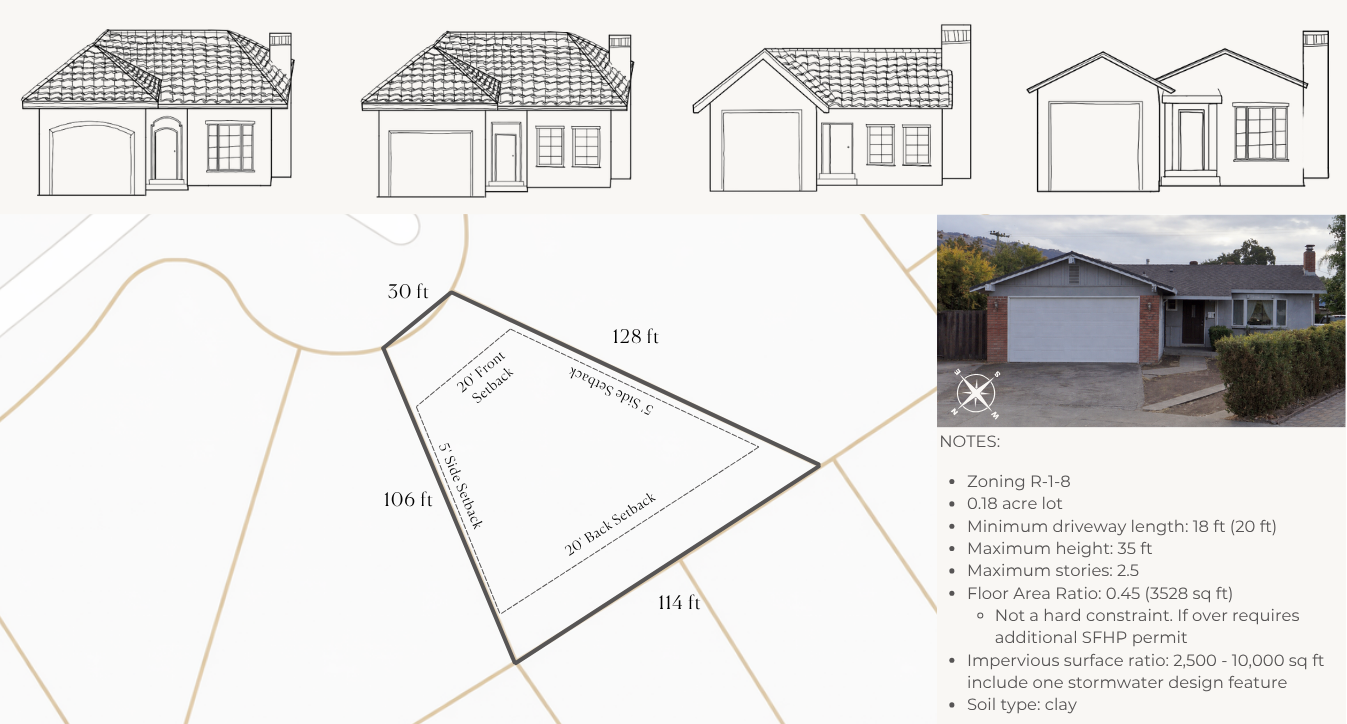
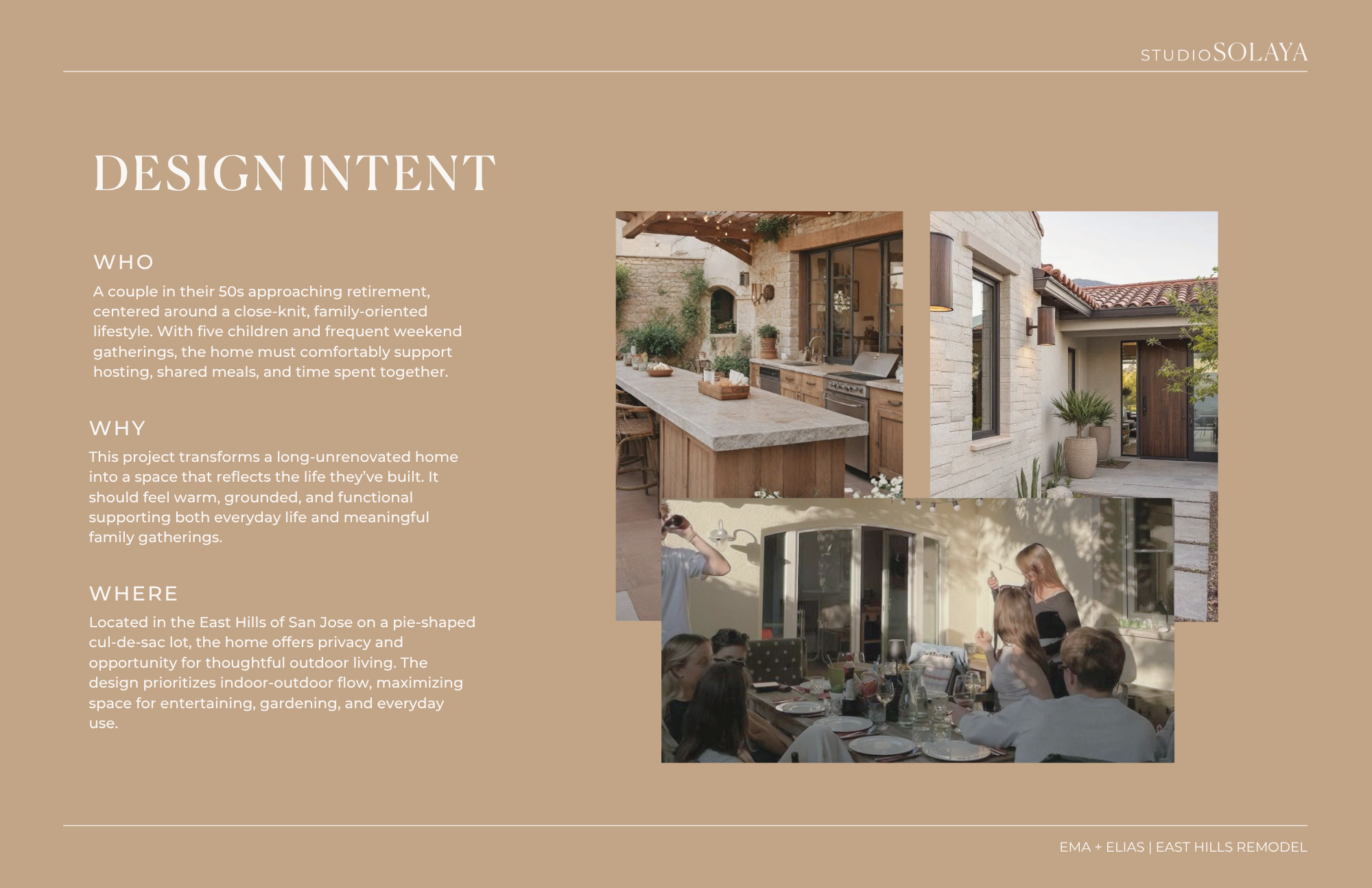
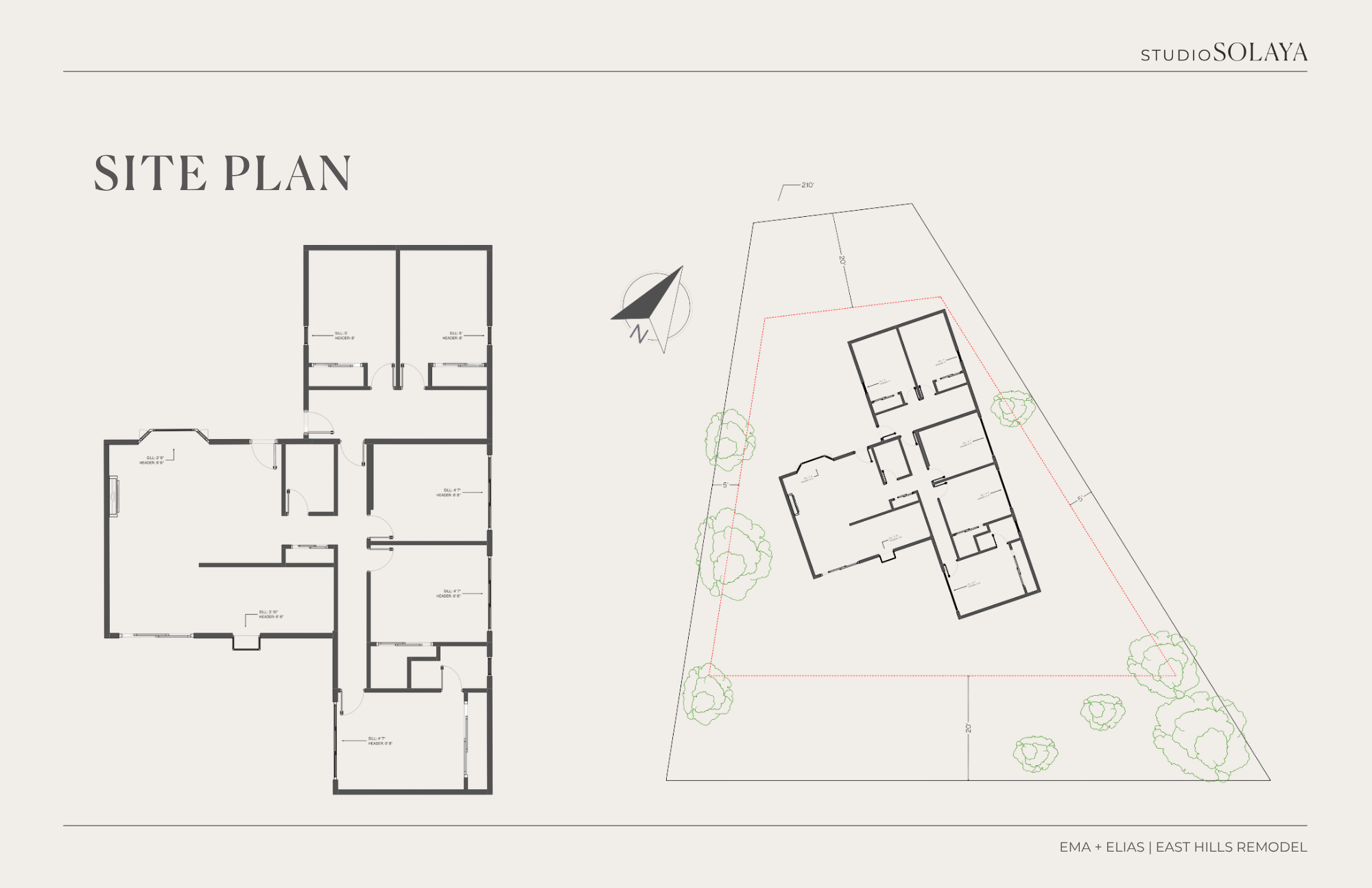
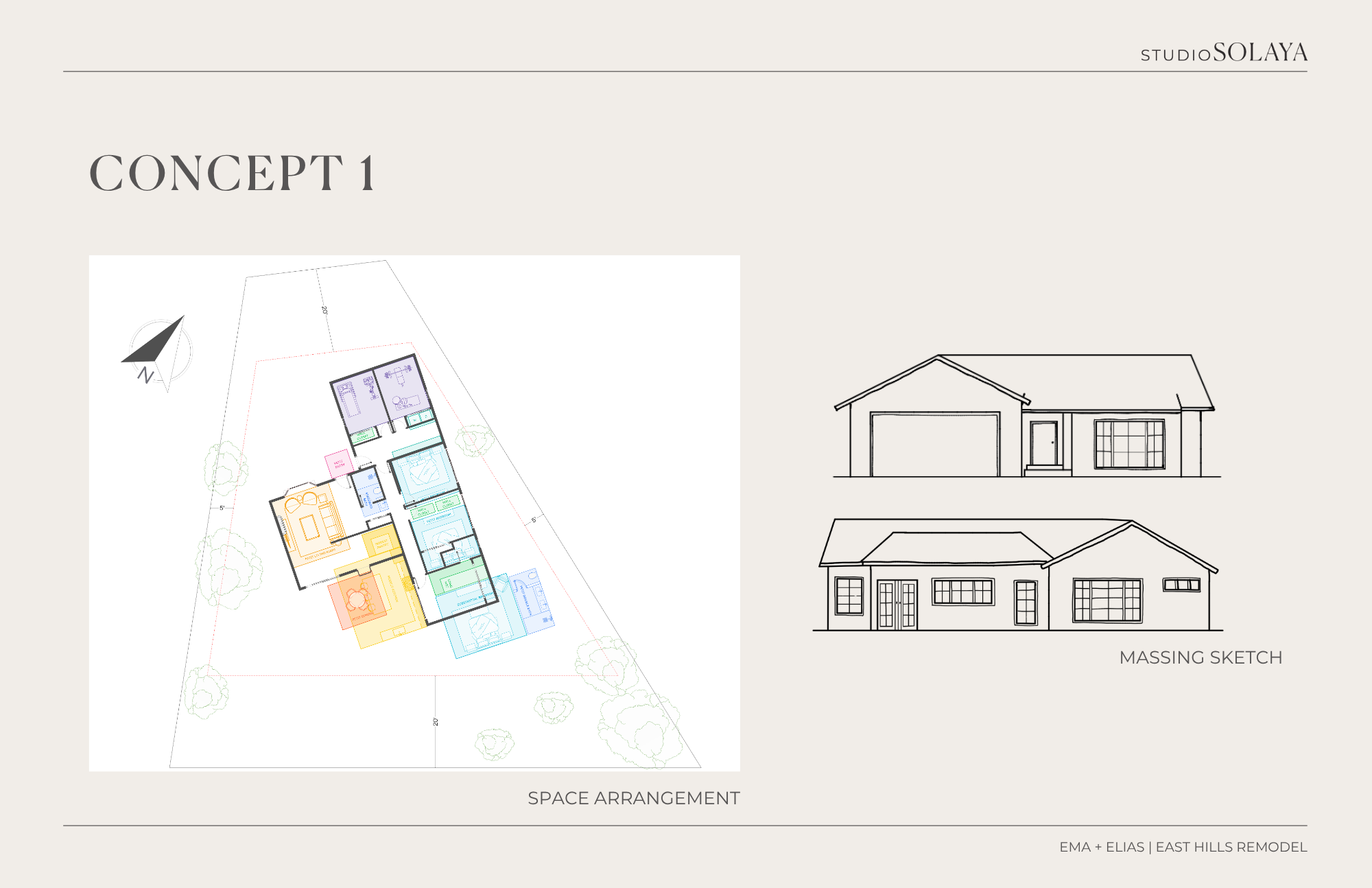
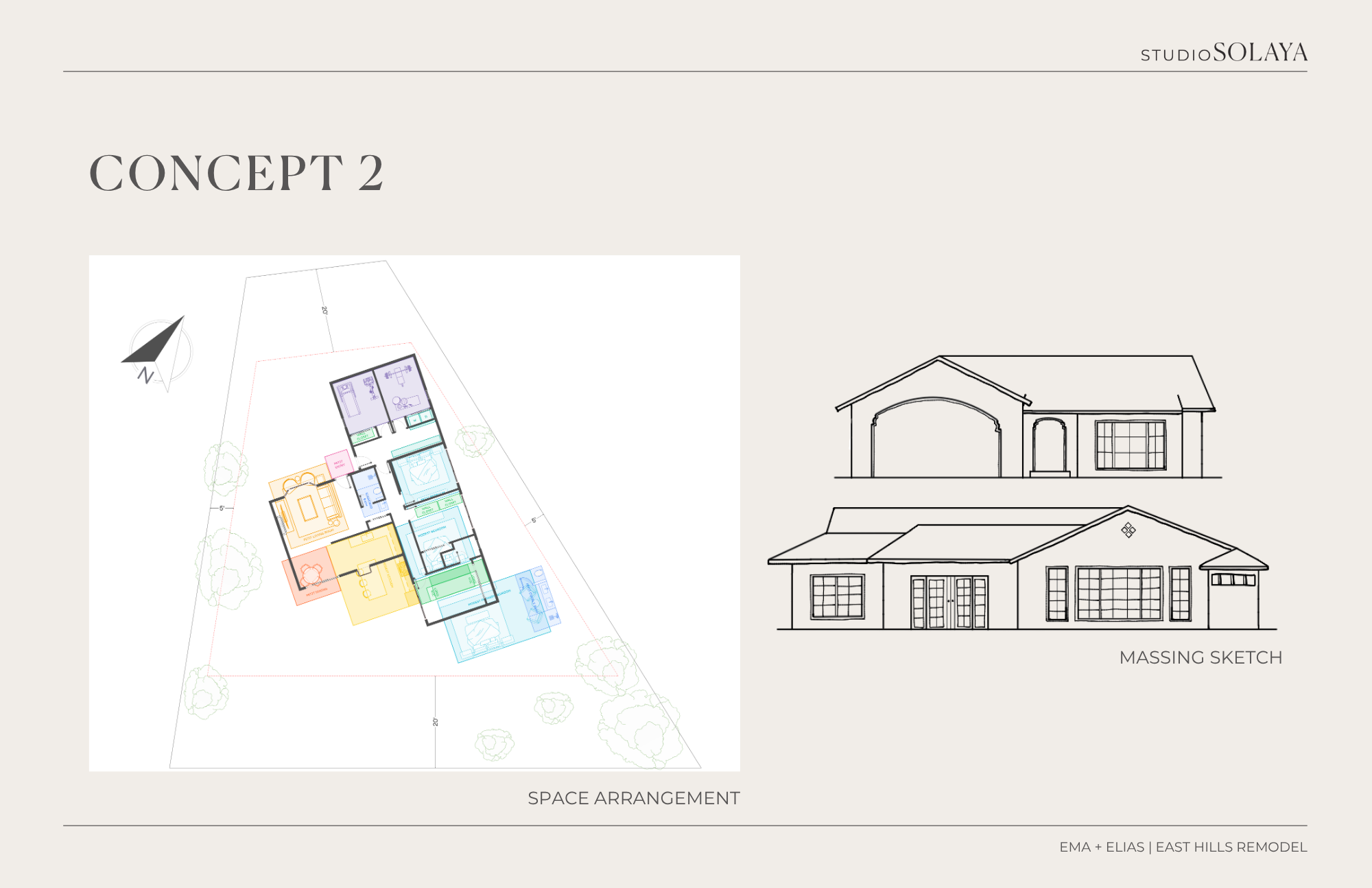
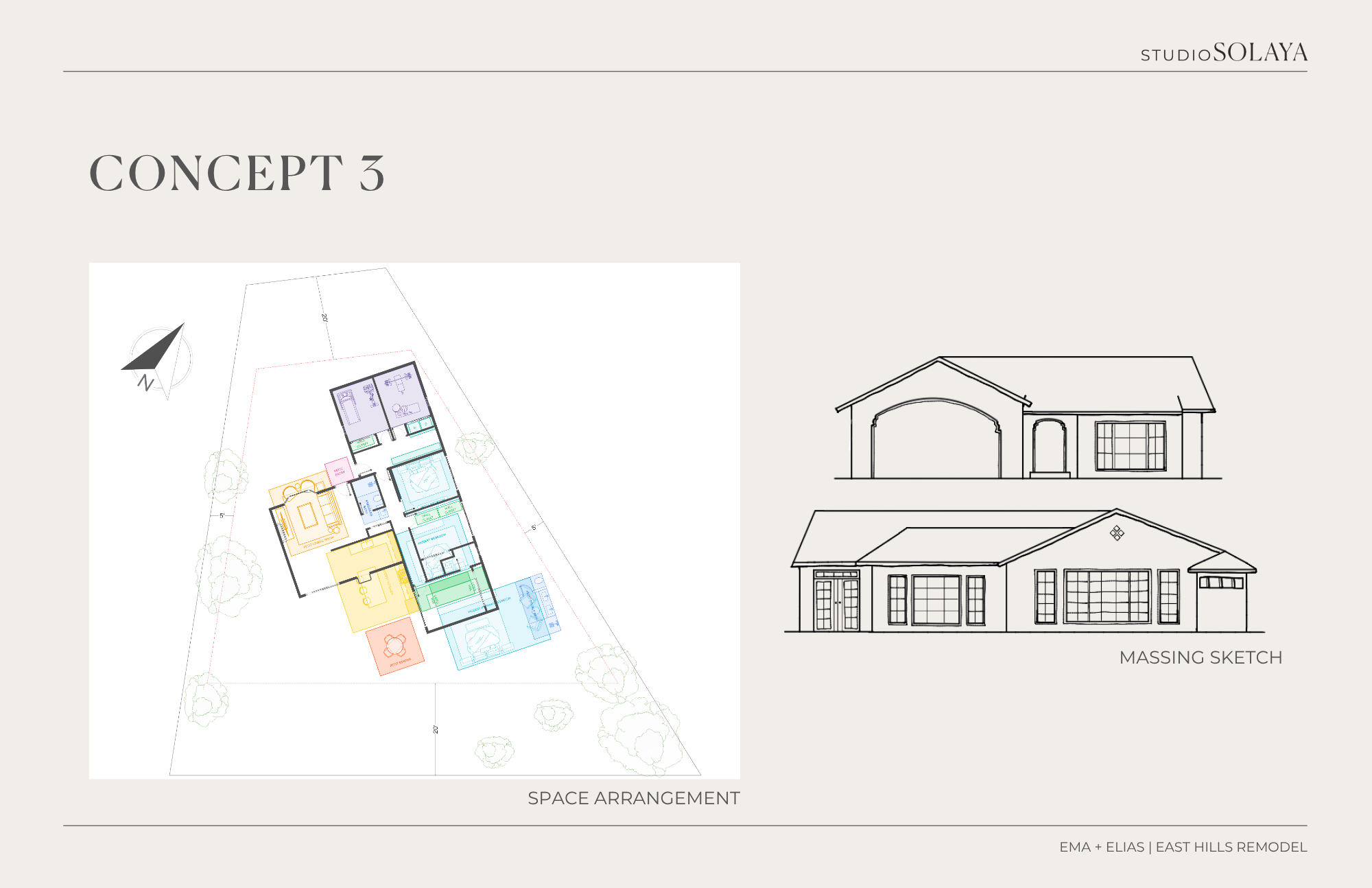
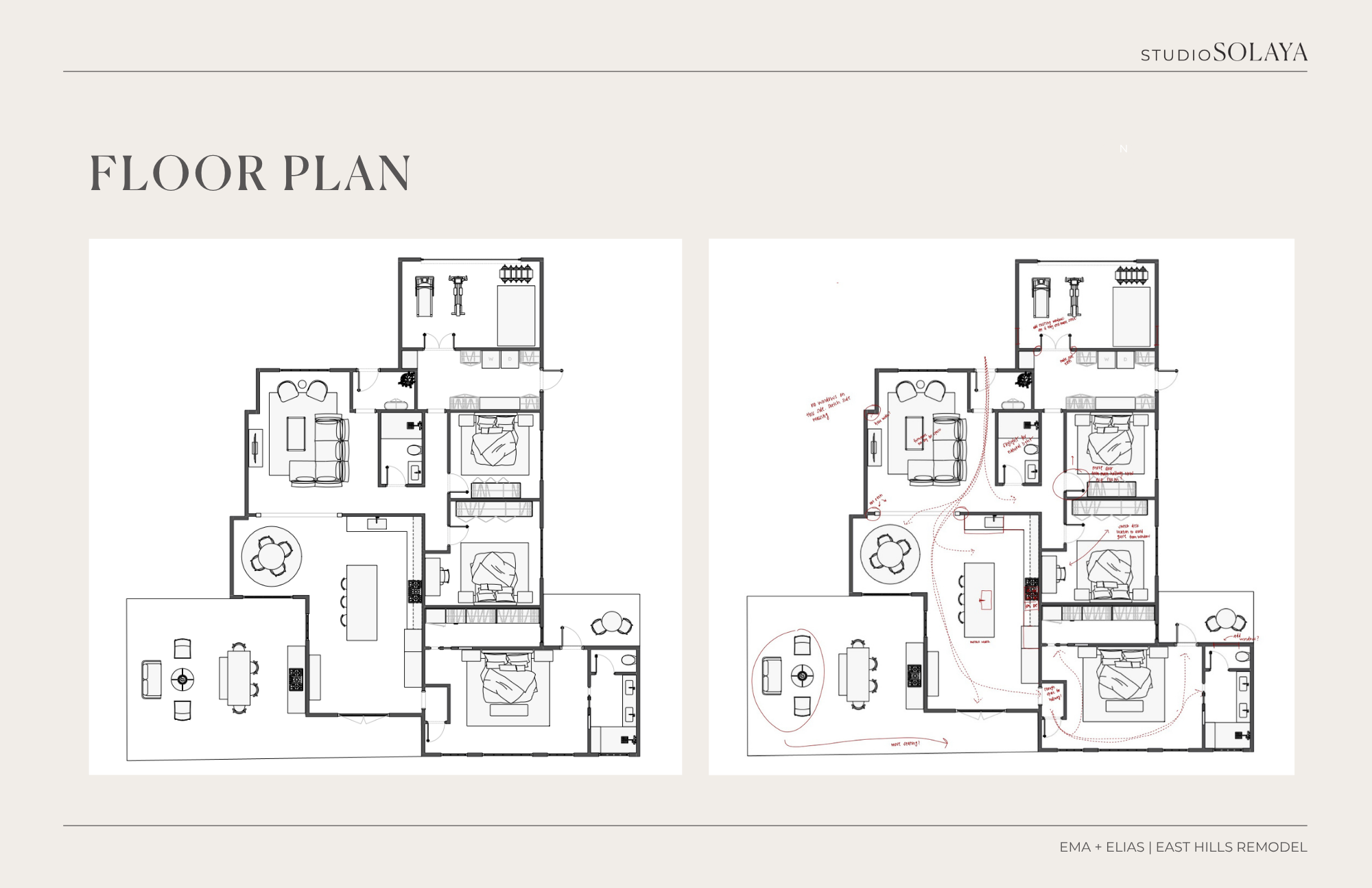
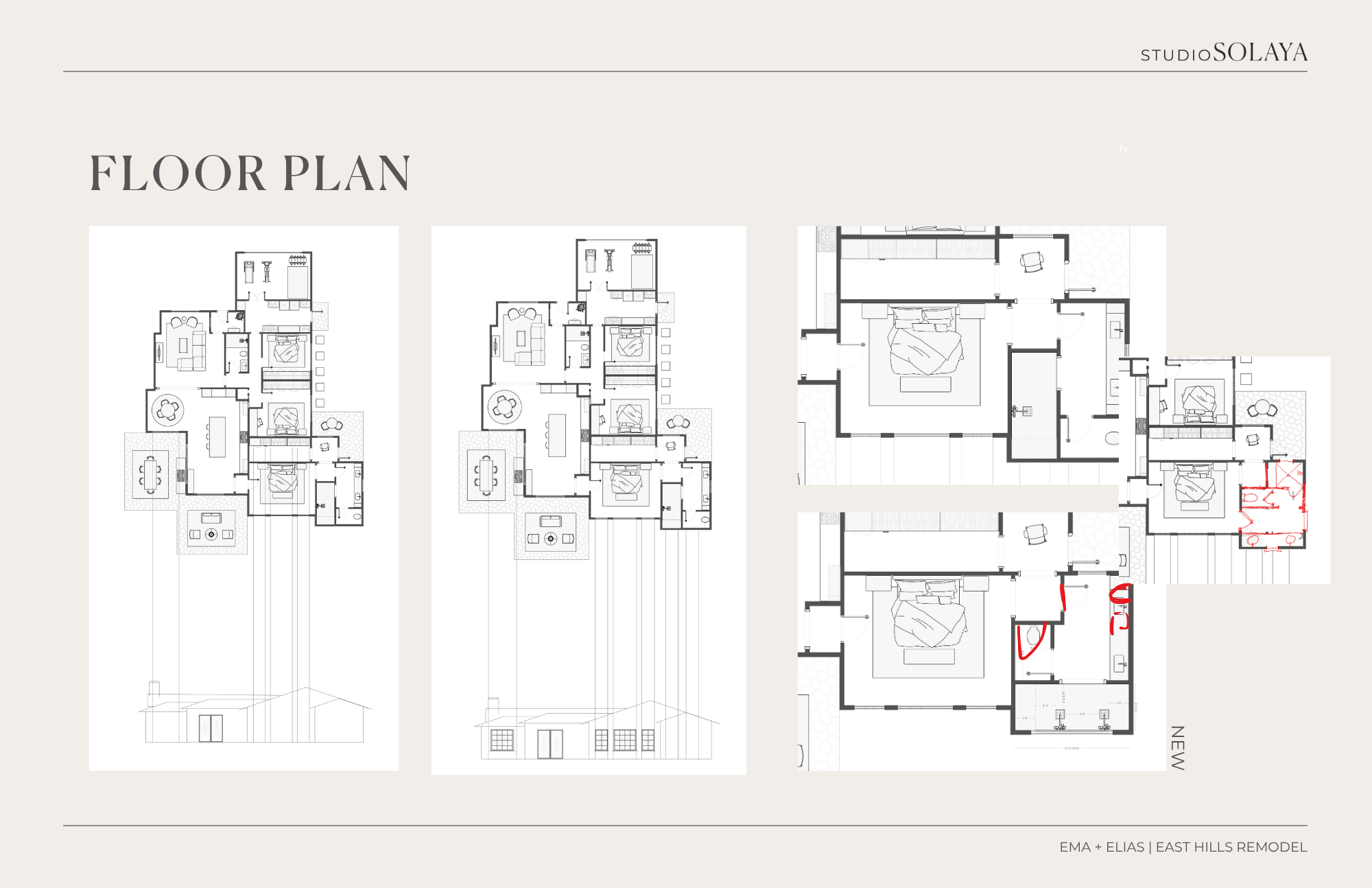
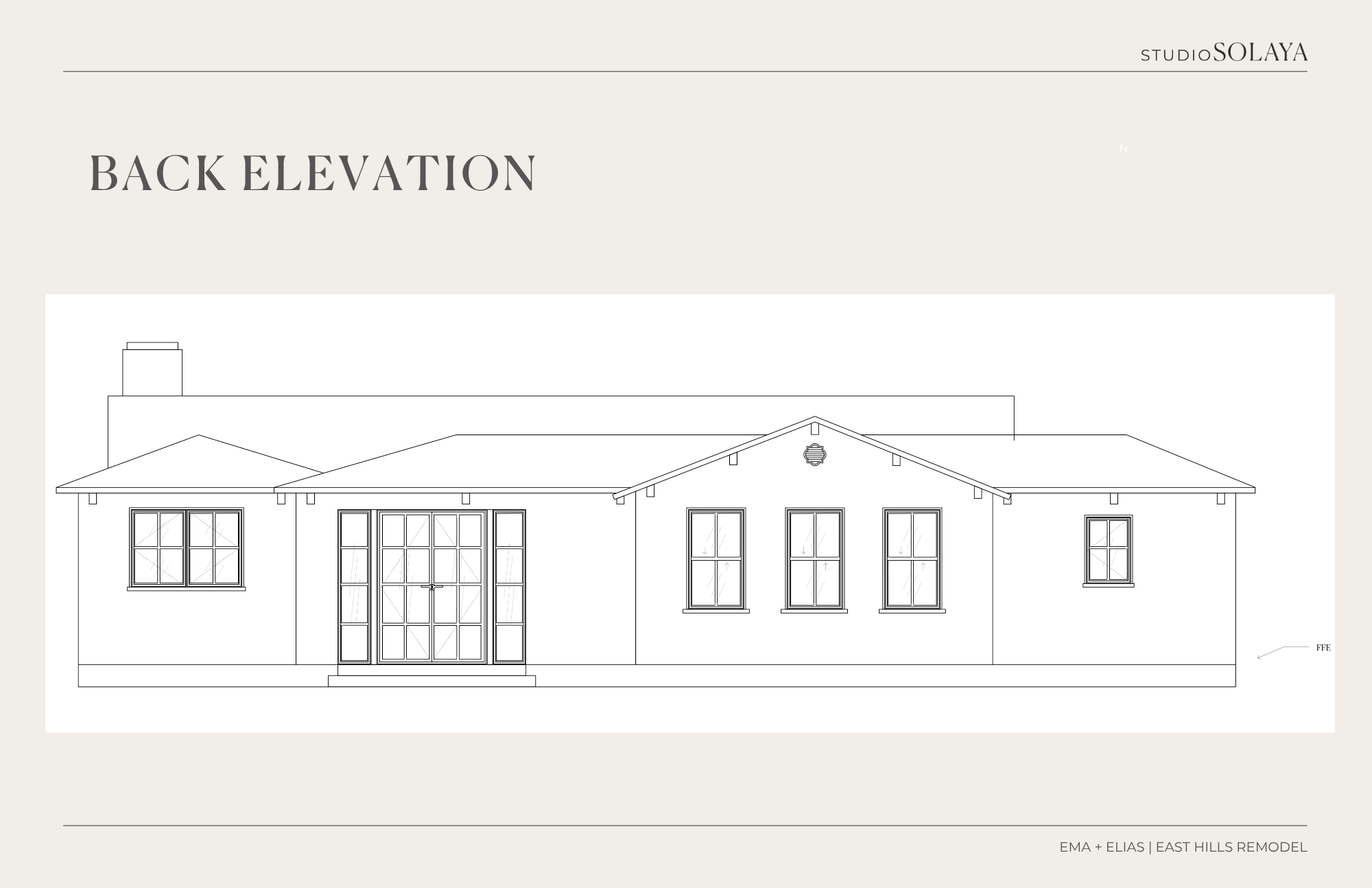
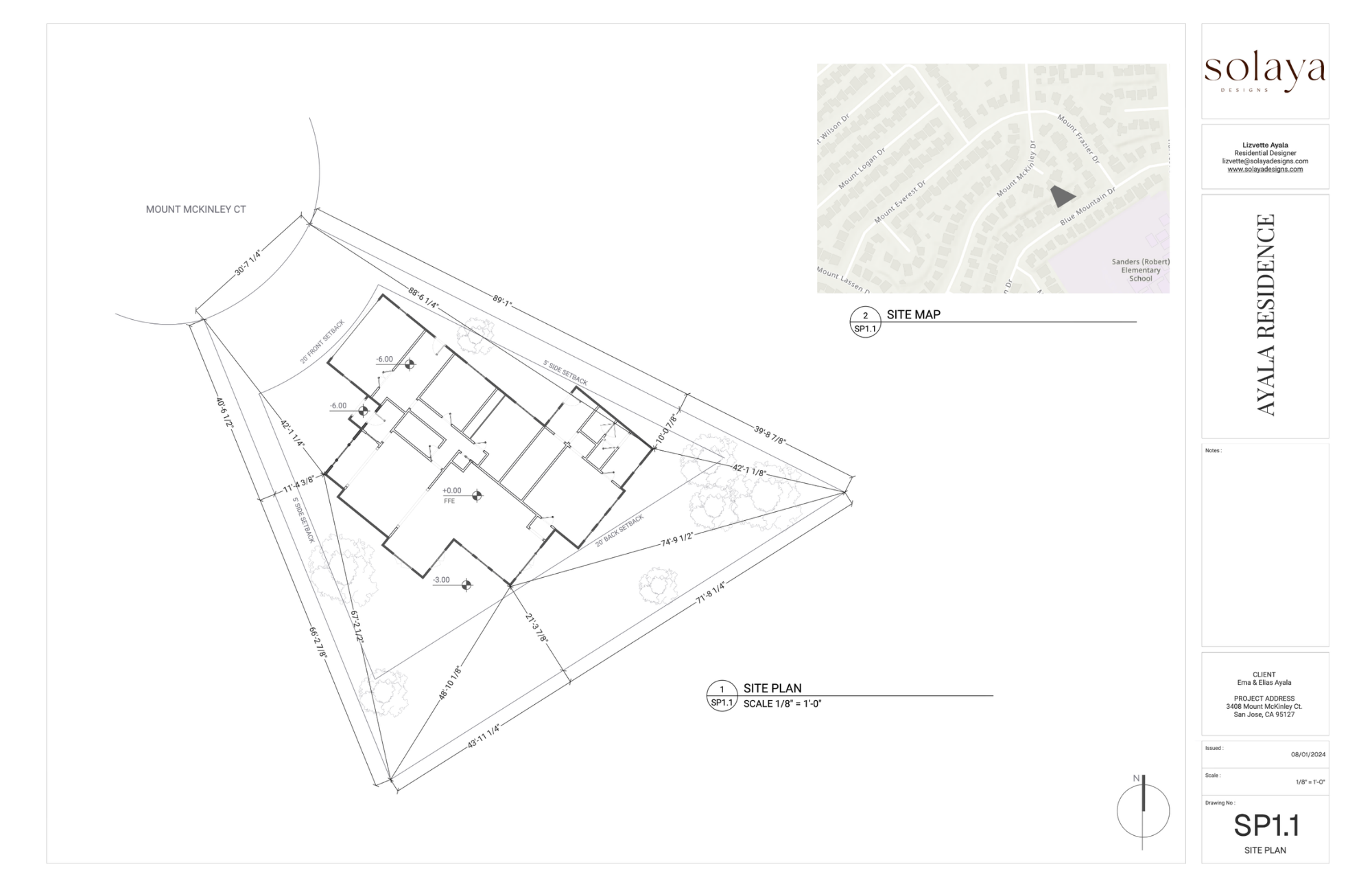
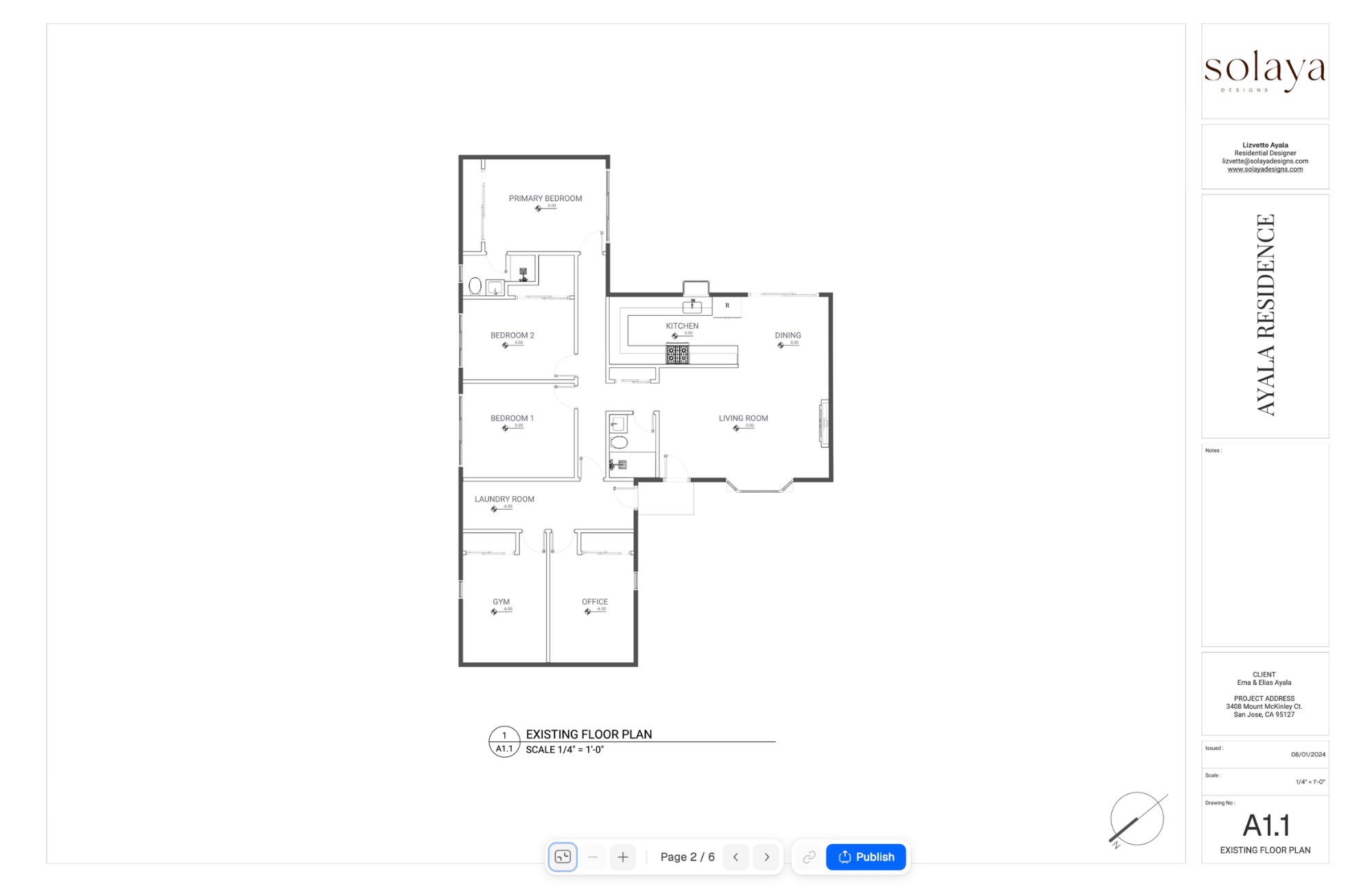
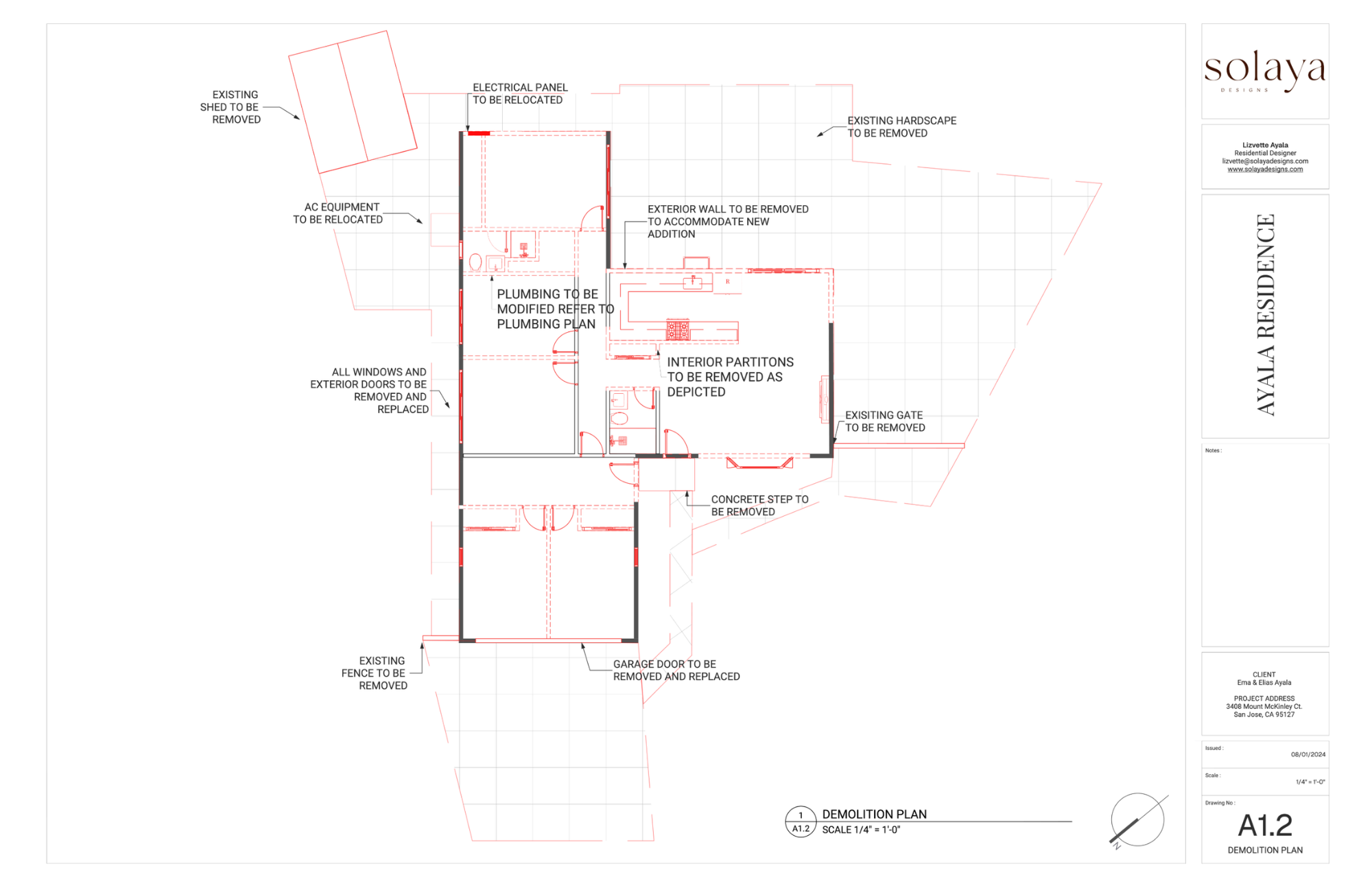
Her project was a beautiful challenge: a couple nearing retirement who wanted to age in place, with five grown kids who visit on weekends, all on a tiny existing footprint of about a thousand square feet. She reworked it into a home with bigger guest rooms, a generous kitchen, and a real primary suite, and even she was shocked how much she fit within the setbacks. Comparing her final back elevation to her first rough sketch, she said, showed her exactly how far she'd come. A lot of that growth happened in the back and forth of our calls, marking up her plans together and talking through why one move worked better than another. In the clip below you can watch a little of it happen in real time, the two of us working through a door placement and making the primary bath more accessible for the couple aging in place, right up until Liz looks at it and says, "no, that looks immediately better."
The roofline that had her stuck
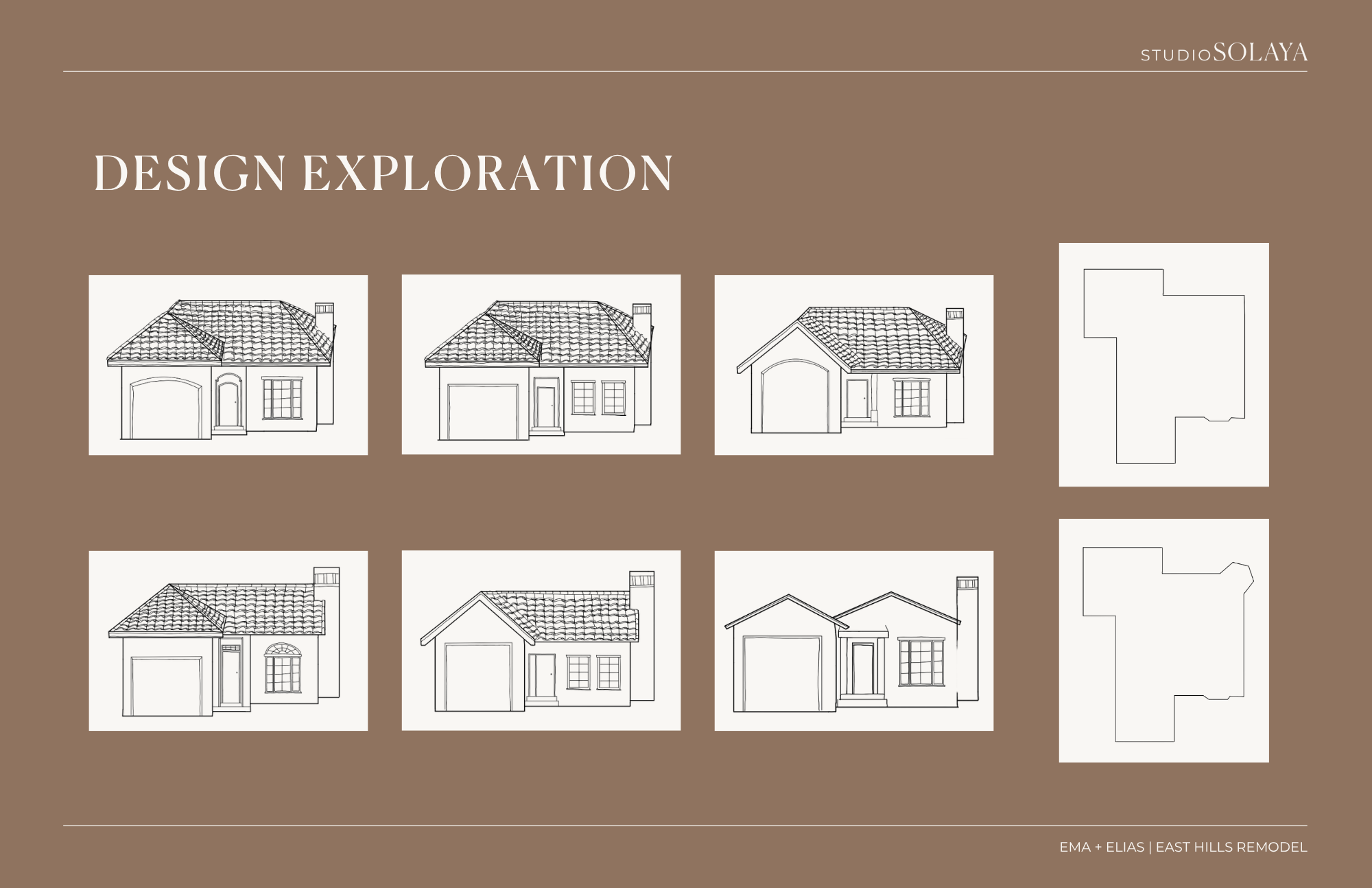
Every designer hits a wall, and for Liz it was a complicated existing roofline. She came onto a call sleep-deprived, juggling work shifts, admitting her file "had just gotten out of hand" and her "brain was starting to hurt staring at all of this." The fix was learning to stop forcing it in 2D. She jumped into a 3D program, and as she put it, "seeing it in 3D could be the game changer." It was. A couple of weeks later she was modeling confidently, her footprint had grown from around fourteen hundred square feet to twenty-three hundred, and when I asked the group who felt ready to take on real work, Liz was a yes.
Her first consultation, then a real client
This is the part that separates real capability from a certificate on a wall. In June, Liz posted a simple win in our community: "First paid consultation!" A few weeks later a real inquiry came in, design services for a five-acre property being turned into a micro wildflower farm with a primary residence. She went through the entire intro call and proposal process, and when the client asked to see her work, she pulled together a portfolio for her studio, Solaya Designs, on the spot. On the call where we shaped that proposal, I told her exactly what I thought: "your proposal looked amazing."
Not every lead signs right away, and that's completely normal. One prospect ended up going with a local design-build group, and here's what tells you everything: they came back and asked Liz to stay involved for the interior finishes, and Liz, confident now, offered floor plan reviews and a second set of eyes on the plans. She kept the door open like a professional, because she is one. She was doing all of this while still working full time as an engineer.
She didn't have to blow up her life to start
I know the fear underneath all of this is usually time and risk. Liz has a genuinely demanding engineering job, and she still made real progress, on her own timeline, without quitting anything on day one. Now she's mapping her transition out of biotech and into design fully, building on the residential construction company she and her husband started and opening her own studio. She gets to build it in the order that's right for her life.
She said something I think about a lot: "This program has definitely changed how my life proceeds from here, for the better. I found my calling."
Who this is really for
I'll be honest with you about who Liz is, because she's who this works for. She's someone who kept feeling the pull and finally stopped talking herself out of it. She was willing to jump in and get her reps up, even without the extra time she wished she had. She didn't wait to feel ready, because ready doesn't exist. She just started, and the confidence grew out of actually doing the work rather than waiting around to feel it first.
And if you've been standing at your own version of that fork, weighing years of school or quietly waiting for some perfect moment that never quite arrives, I hope Liz's story feels like the permission you've been looking for. You don't need a seventy-thousand-dollar detour to get where she's going. What you need is the real skill, a real project to build, and someone who's done it walking you through, and I promise that is a lot more within reach than it feels right now.
See what Liz designed
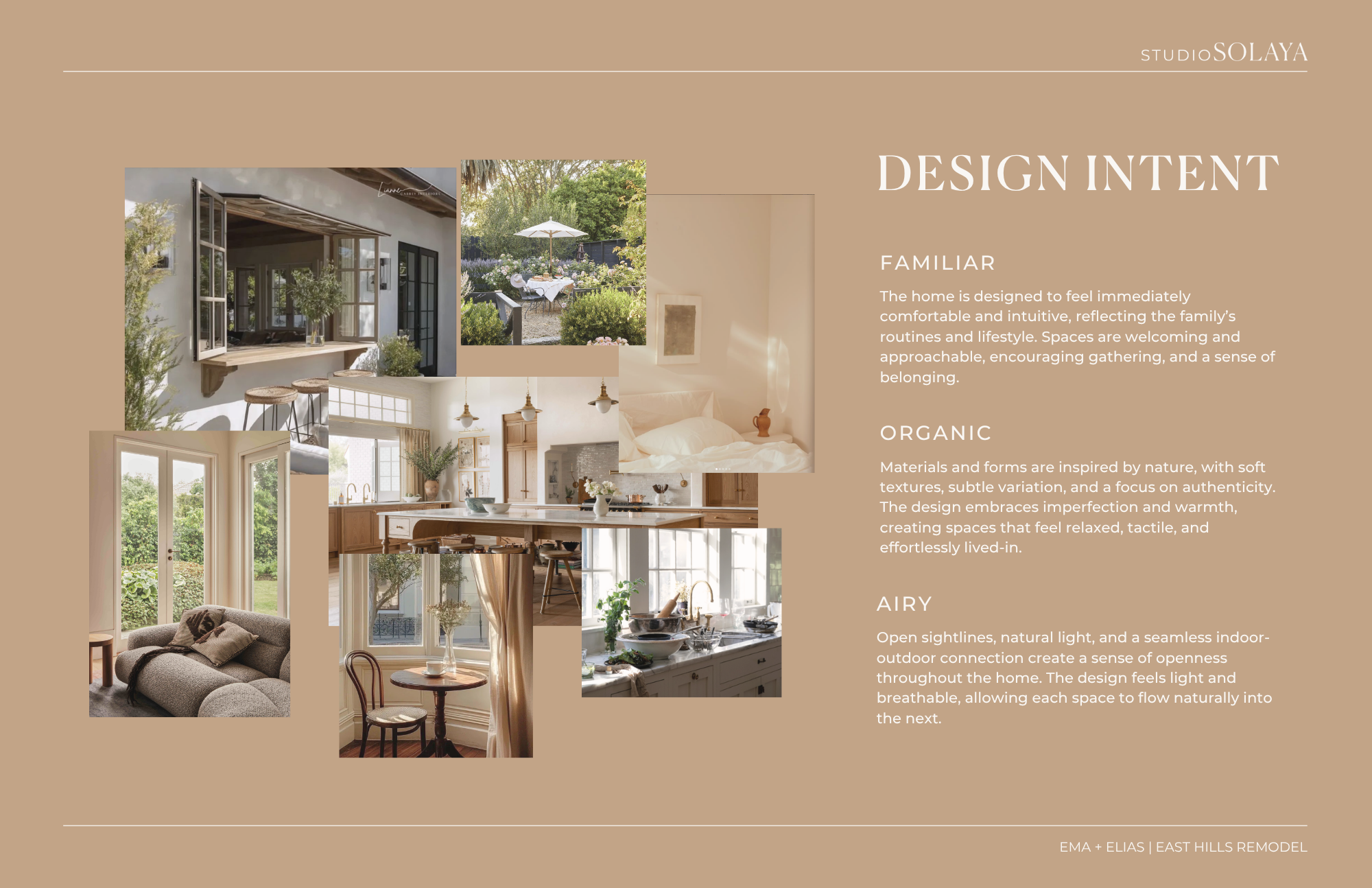
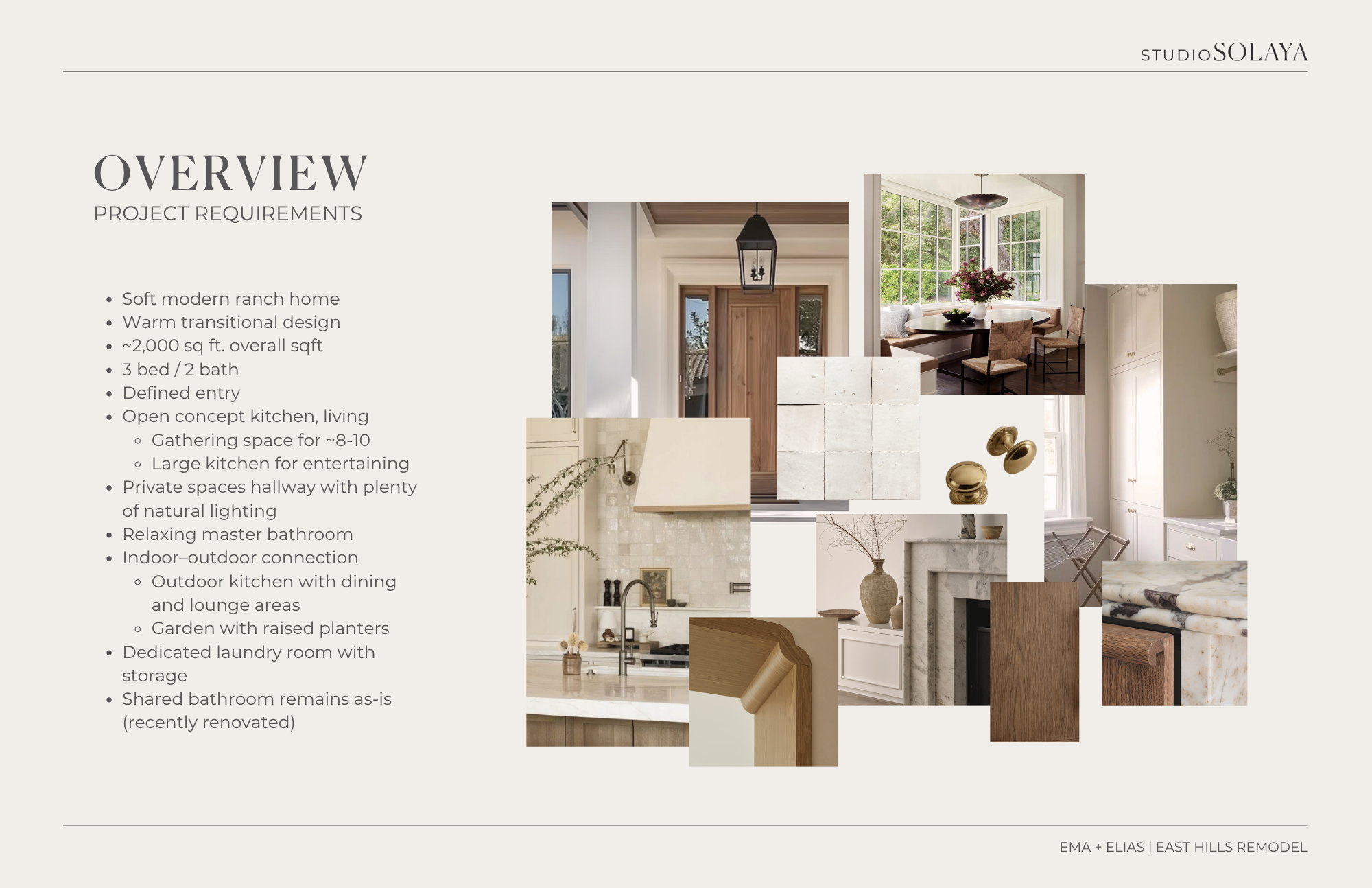
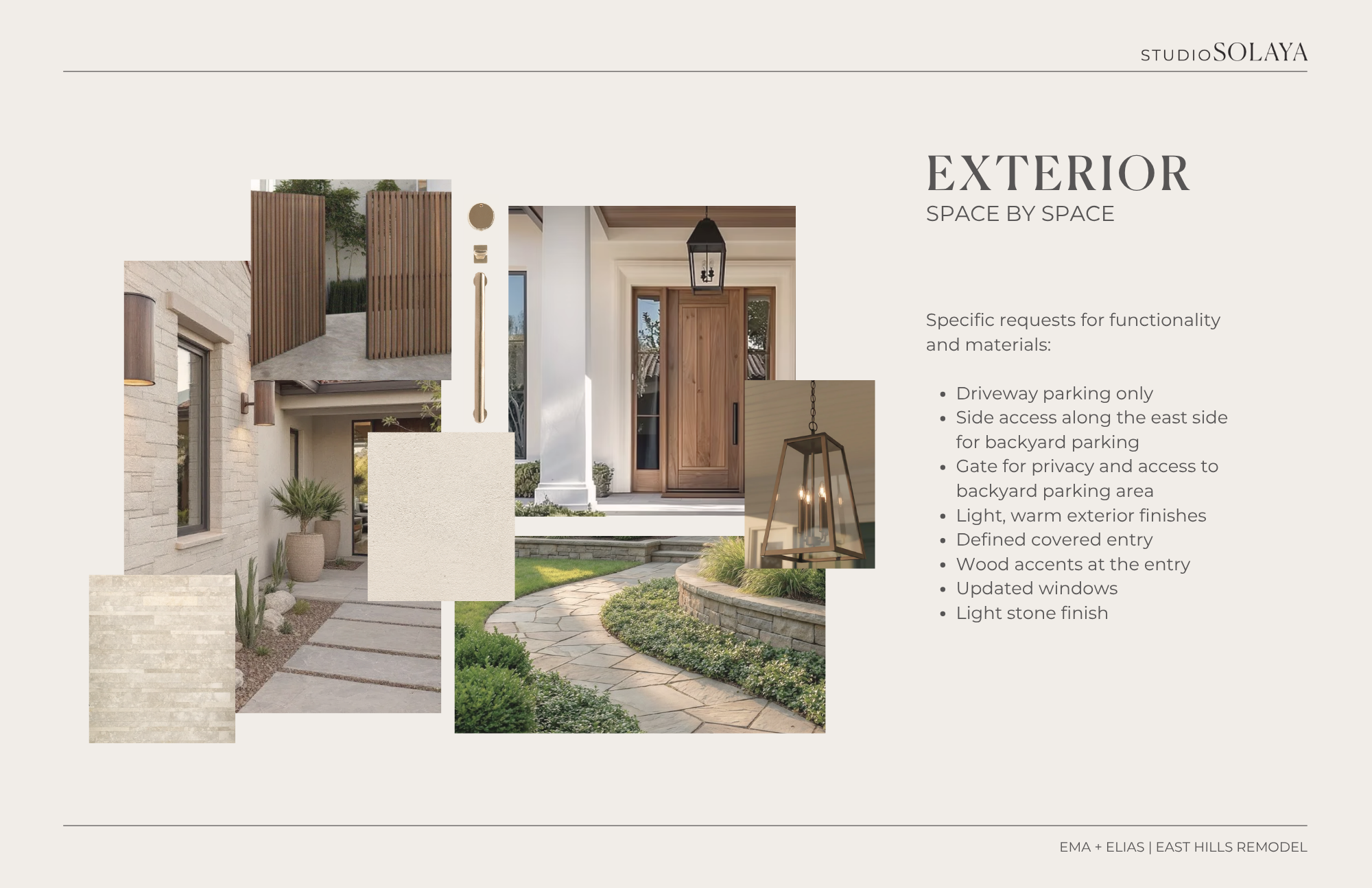
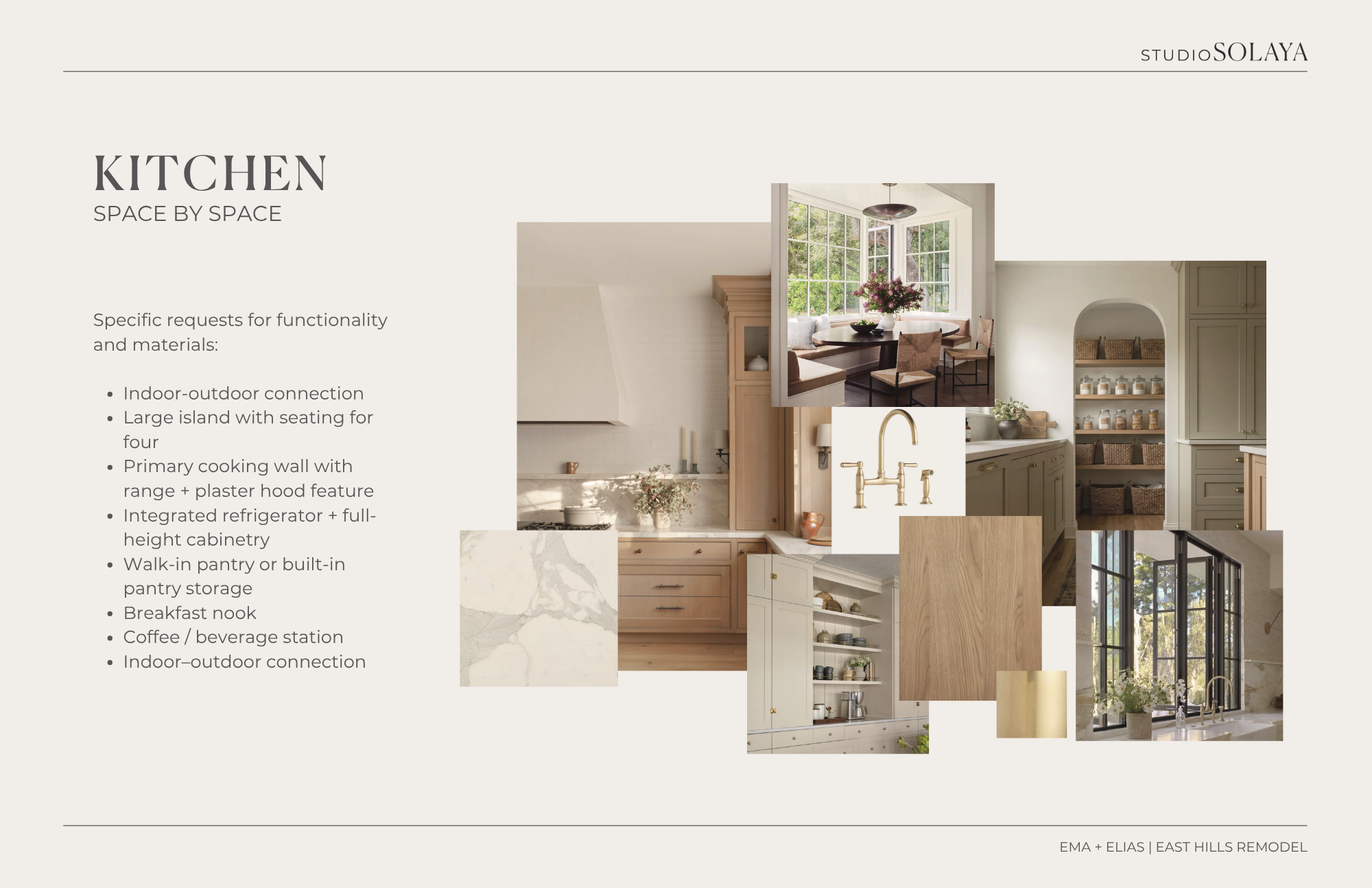
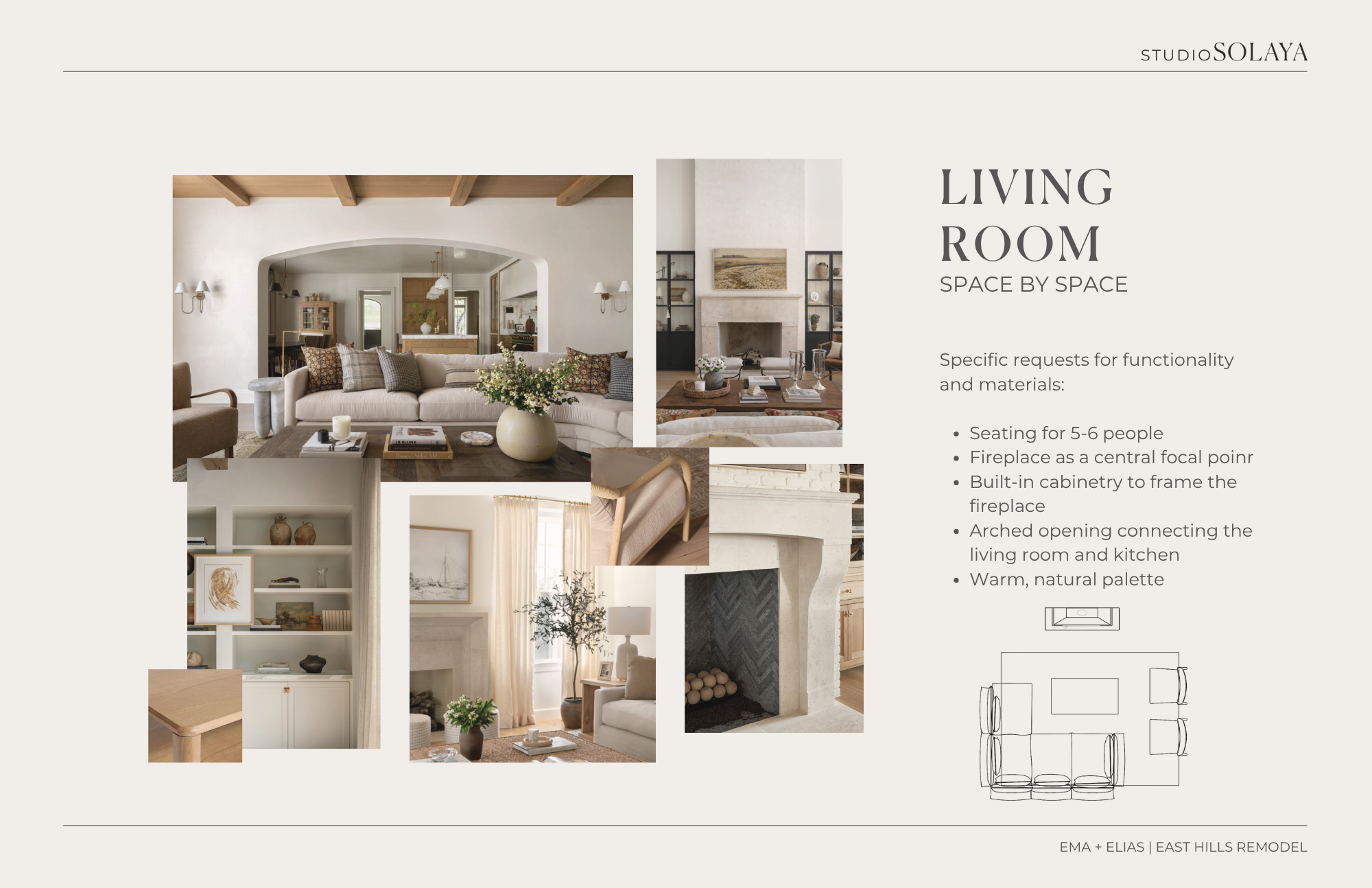
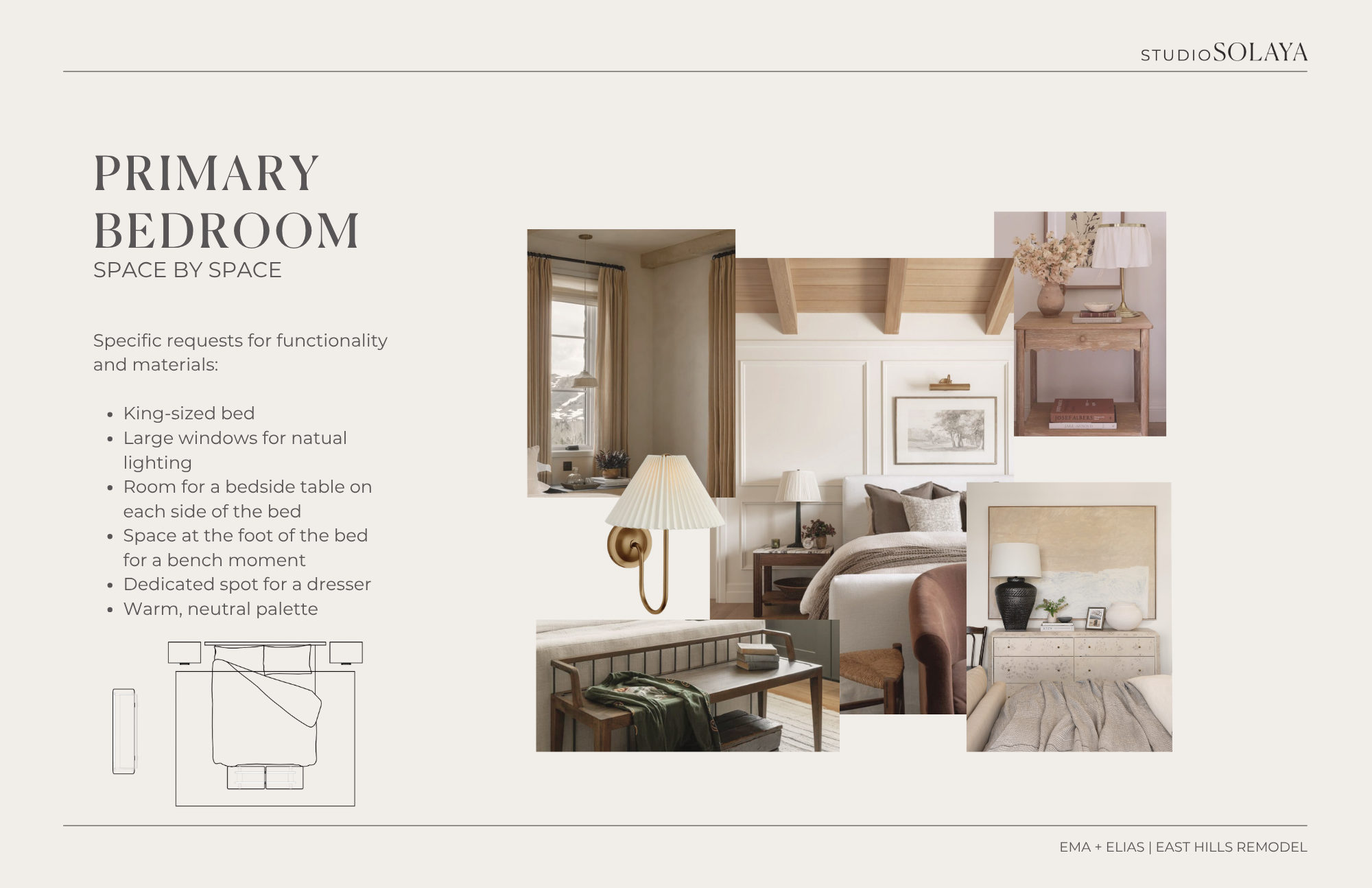
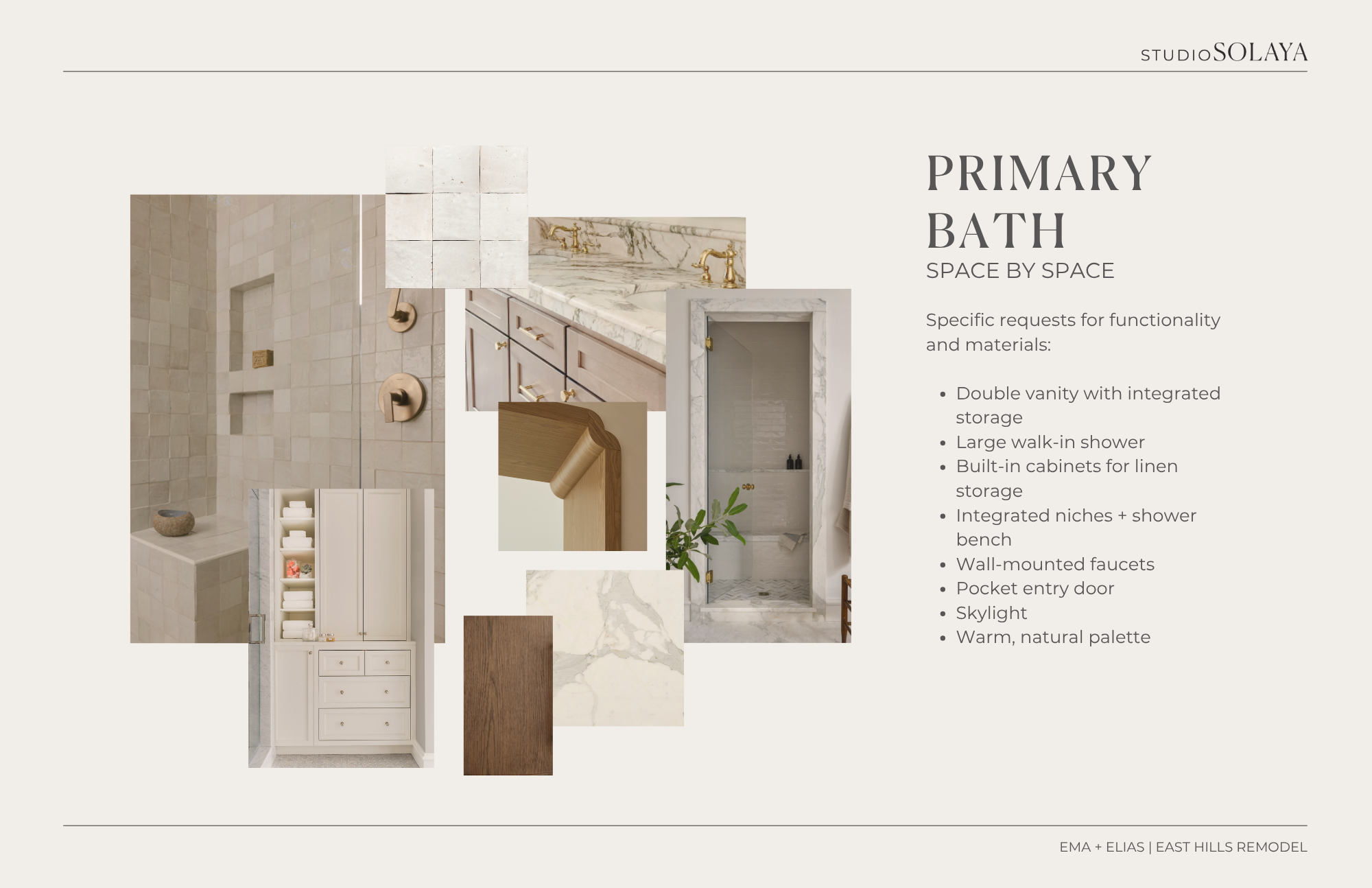
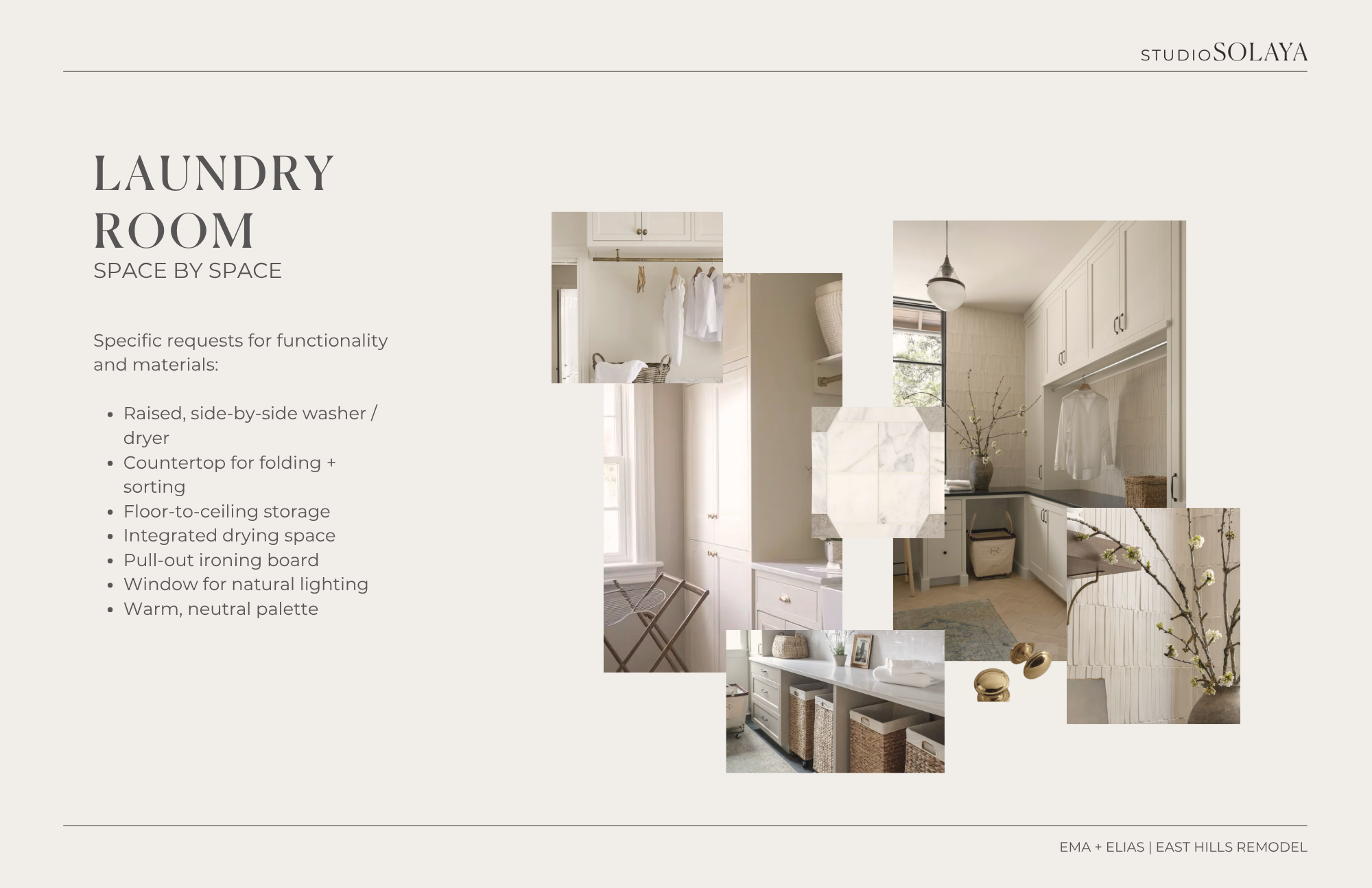
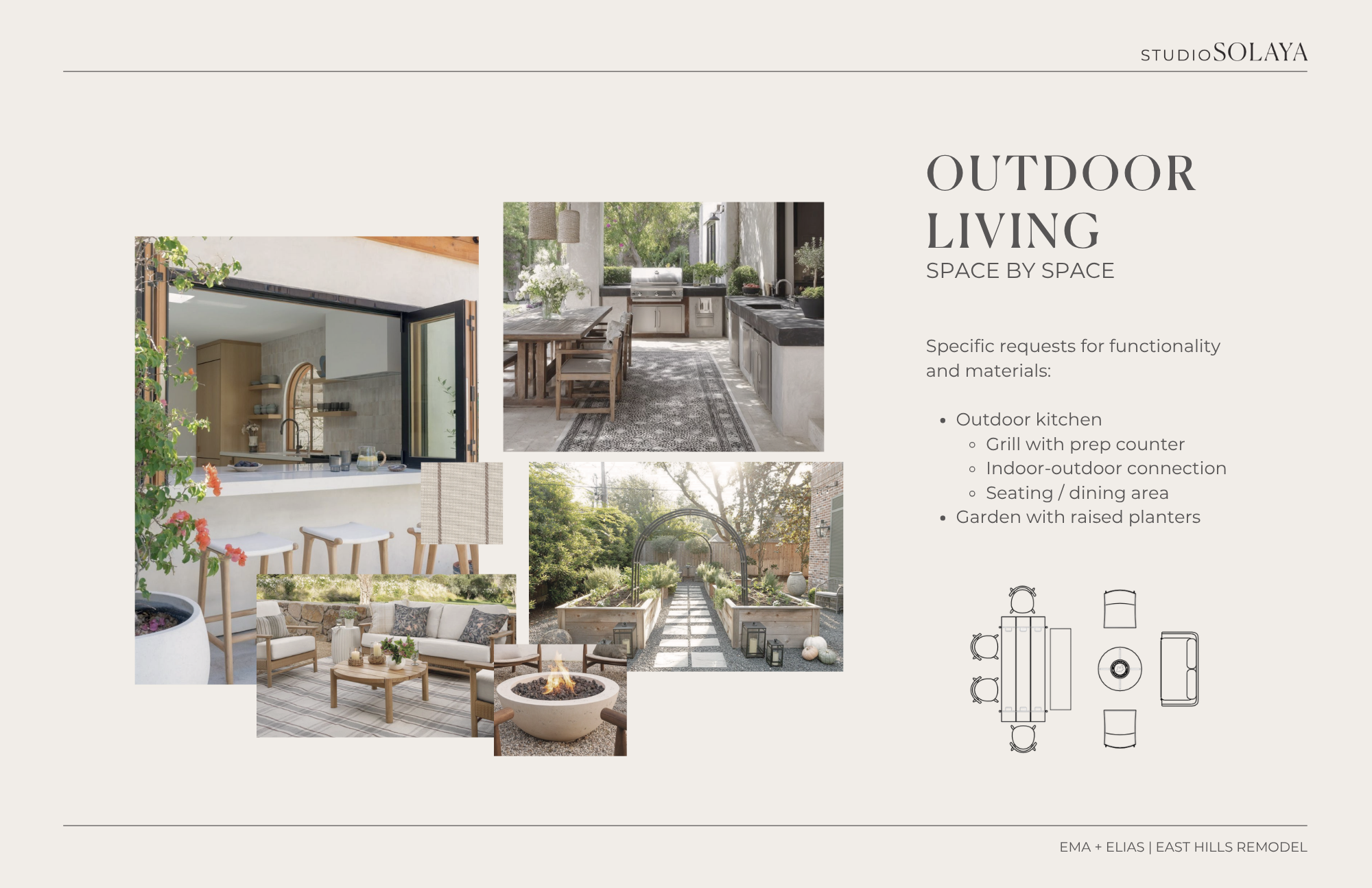
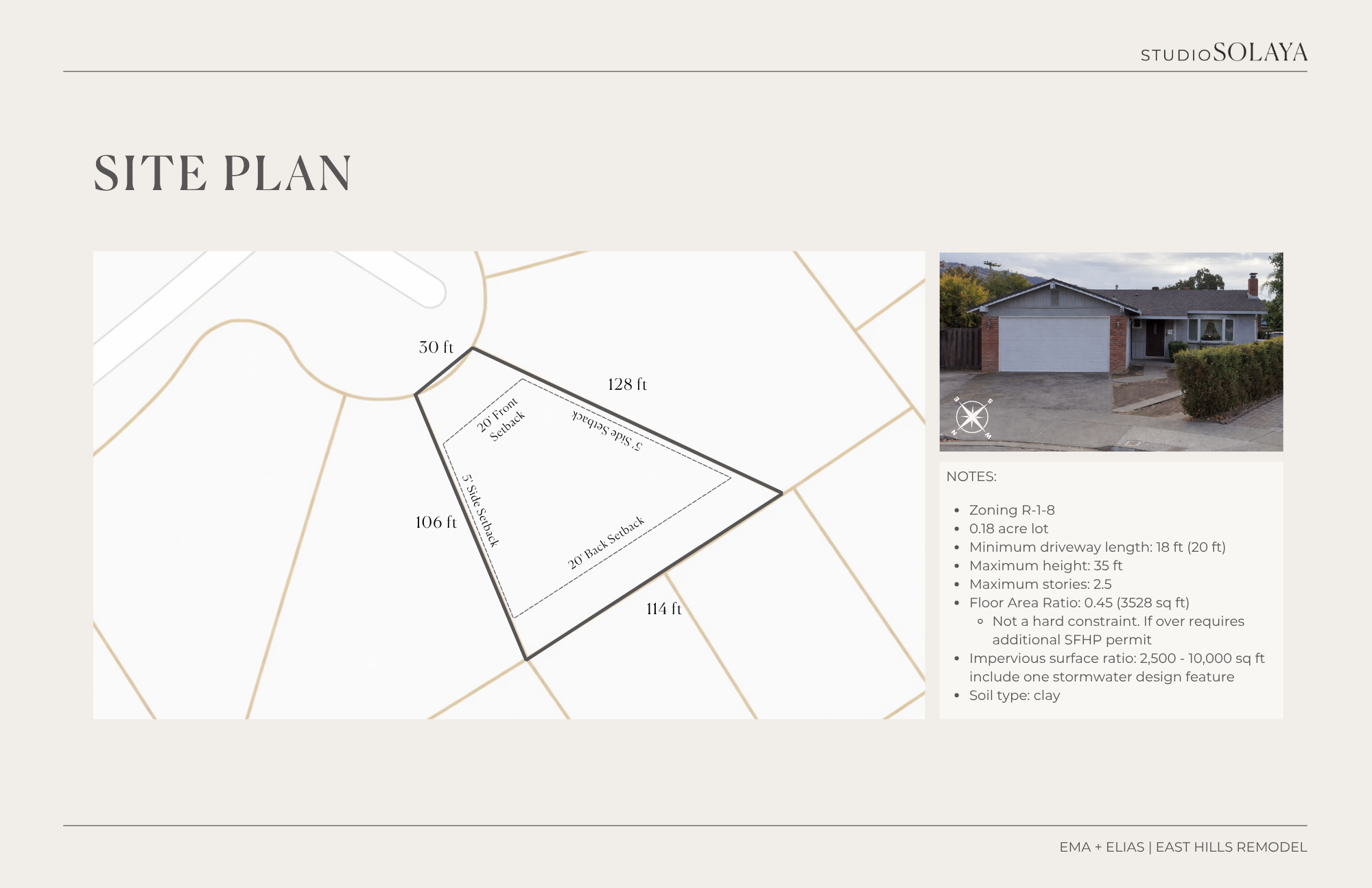
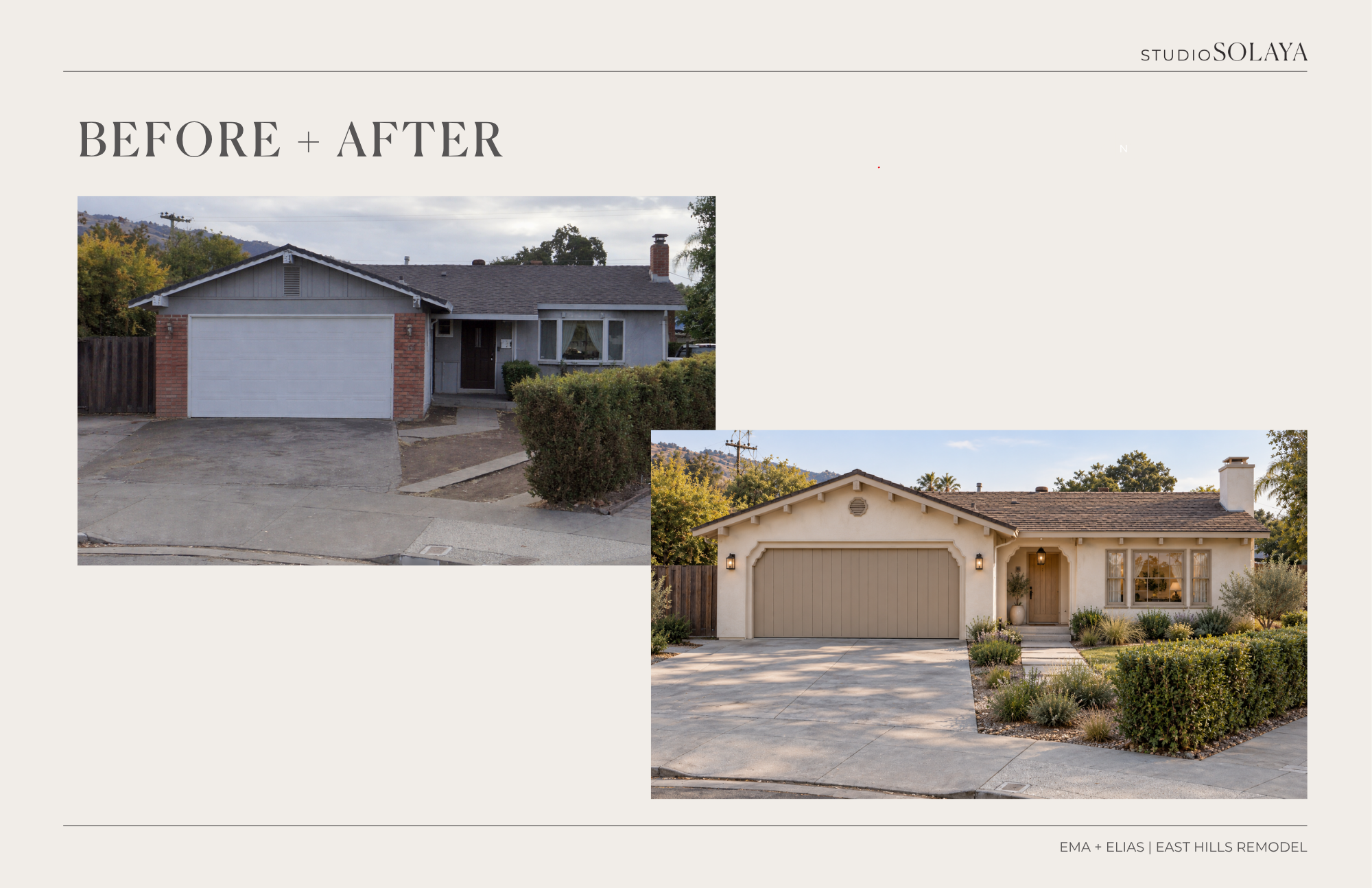
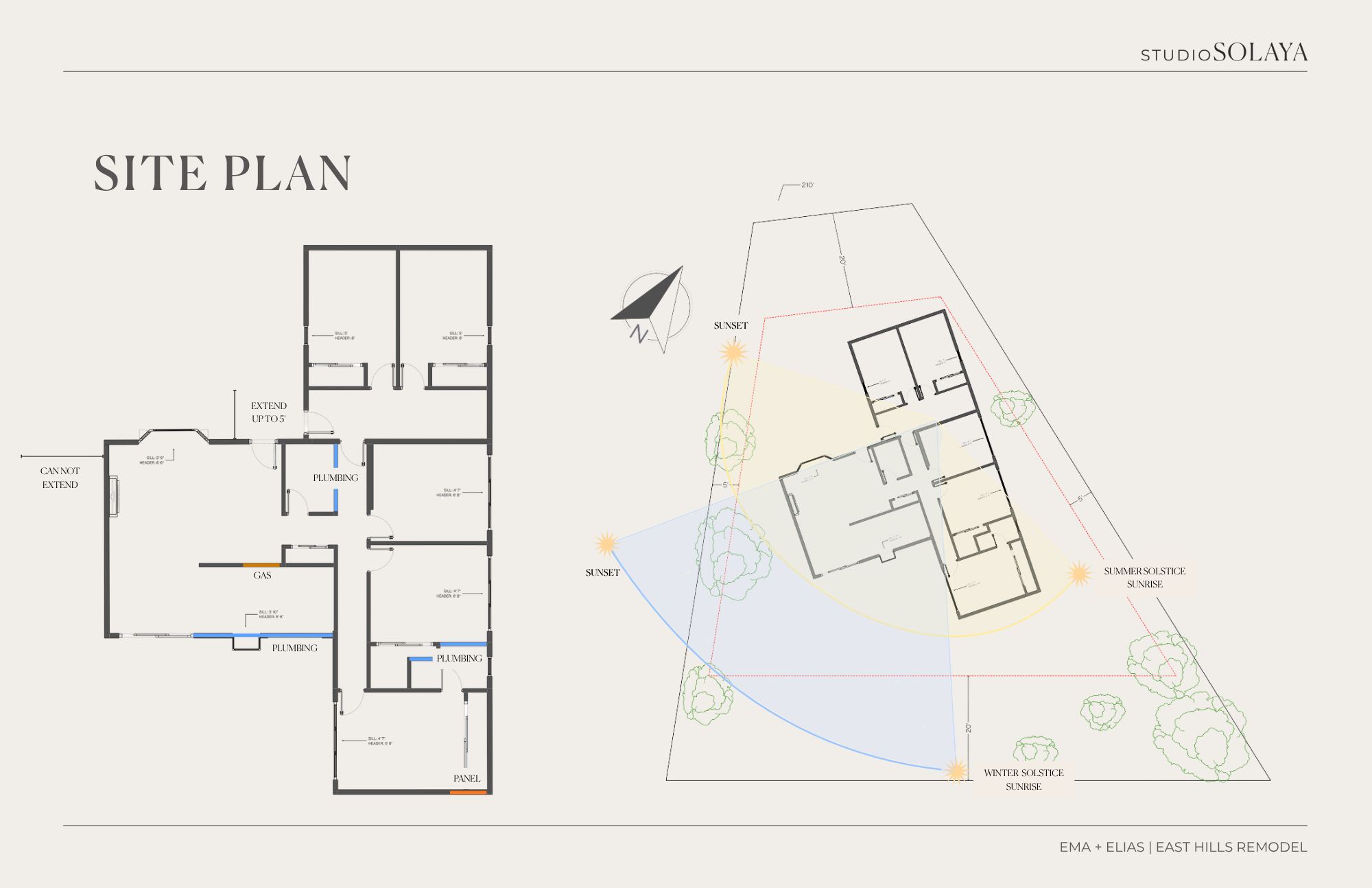
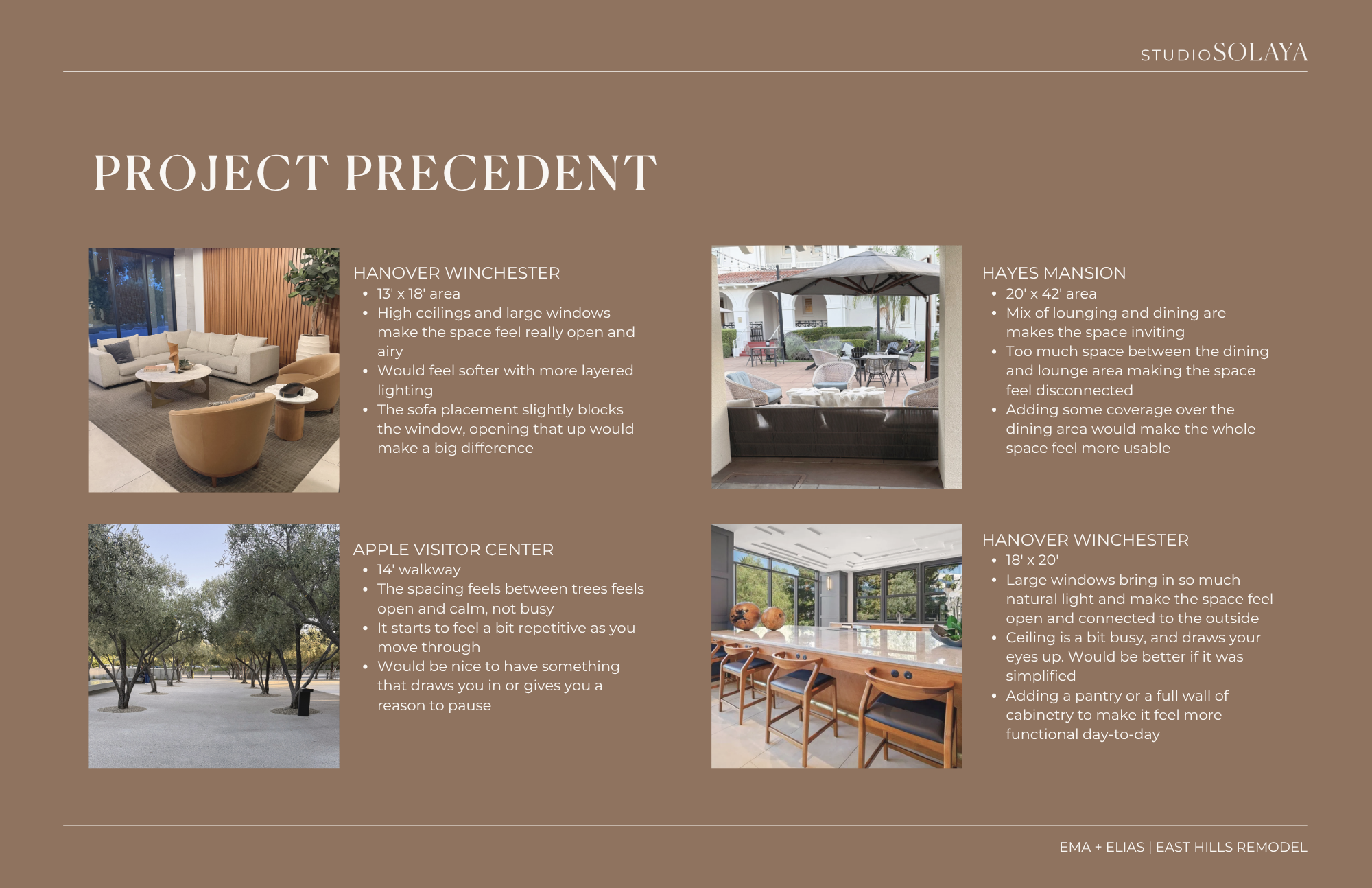
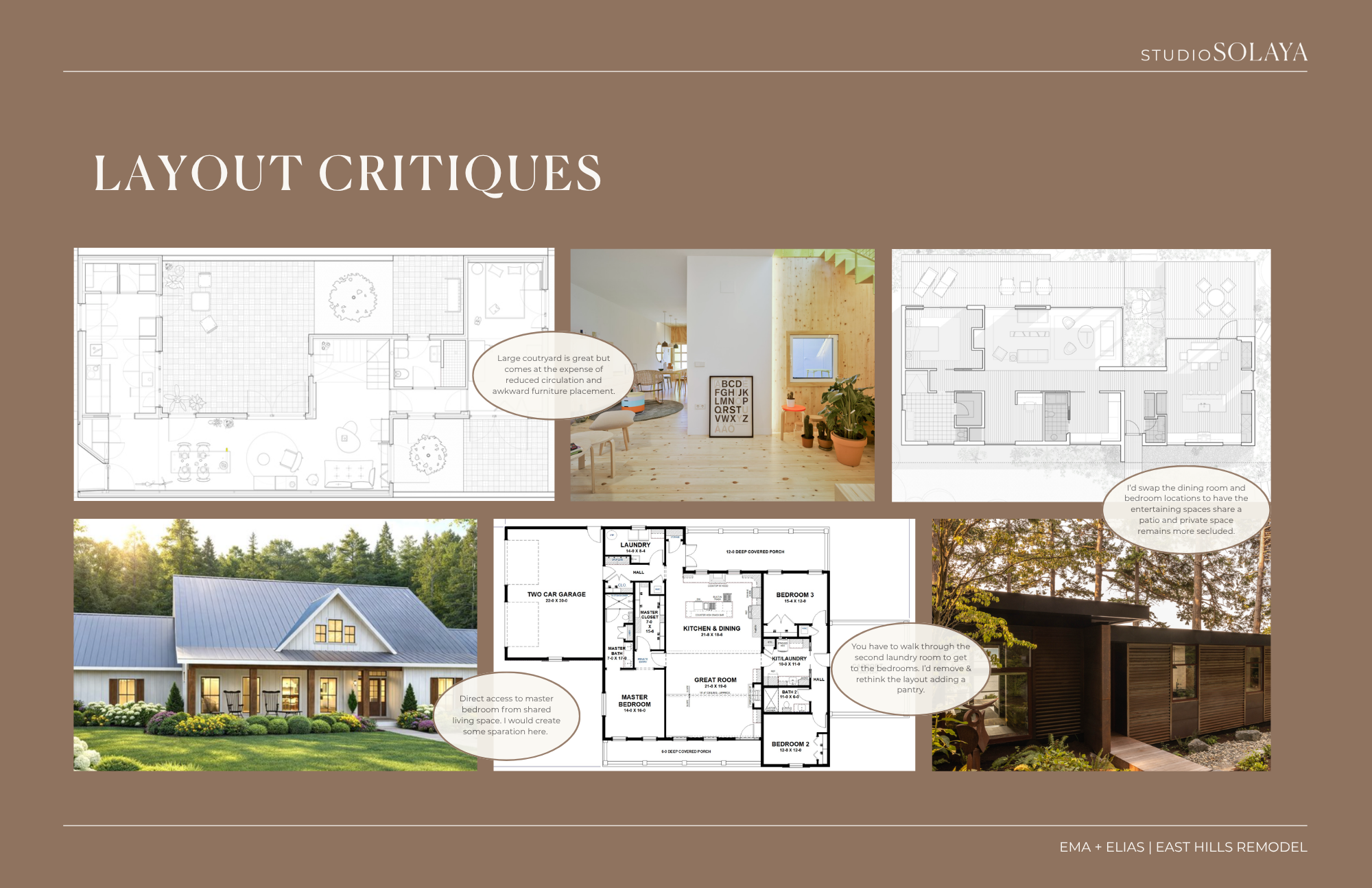
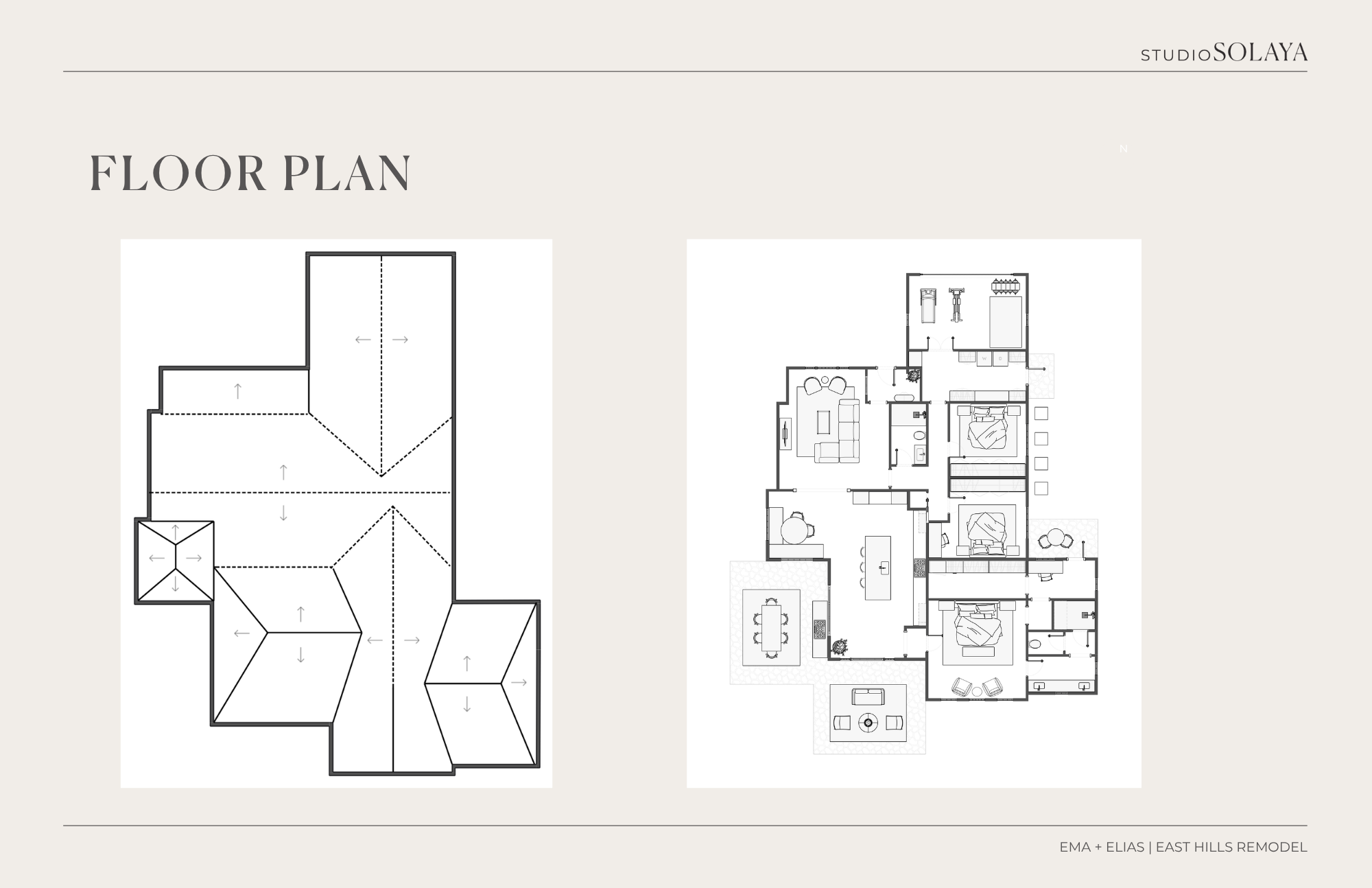
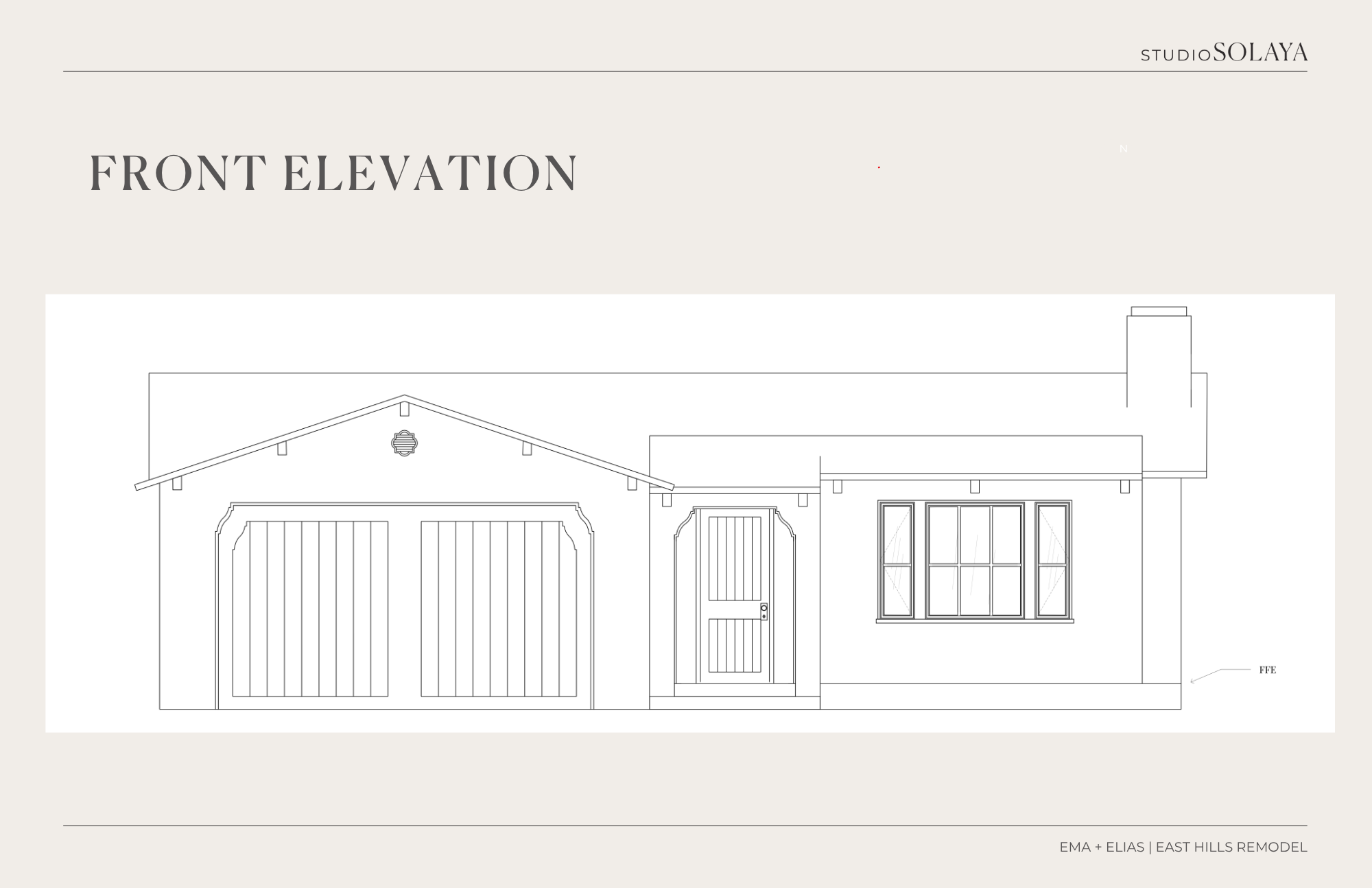
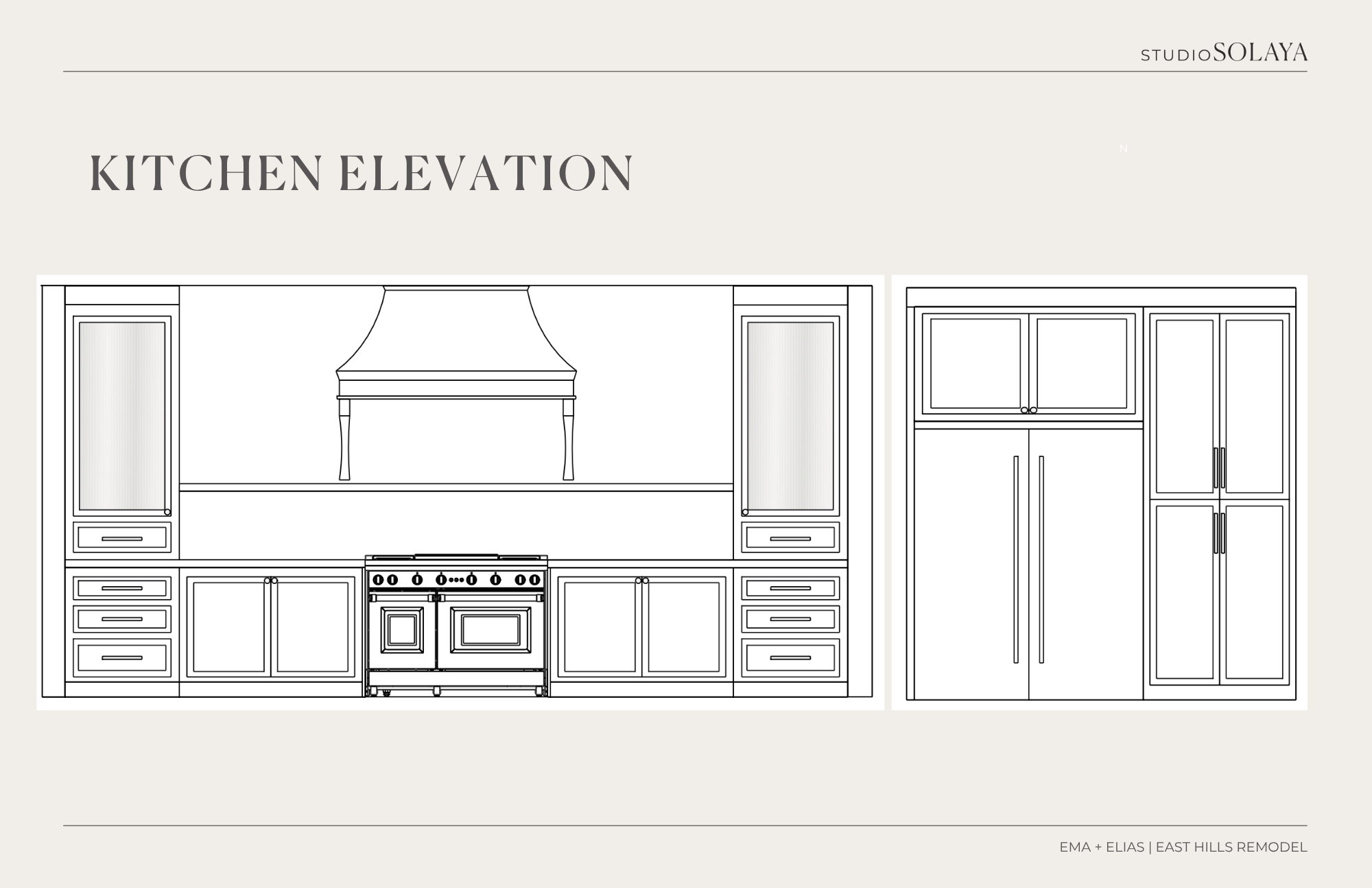
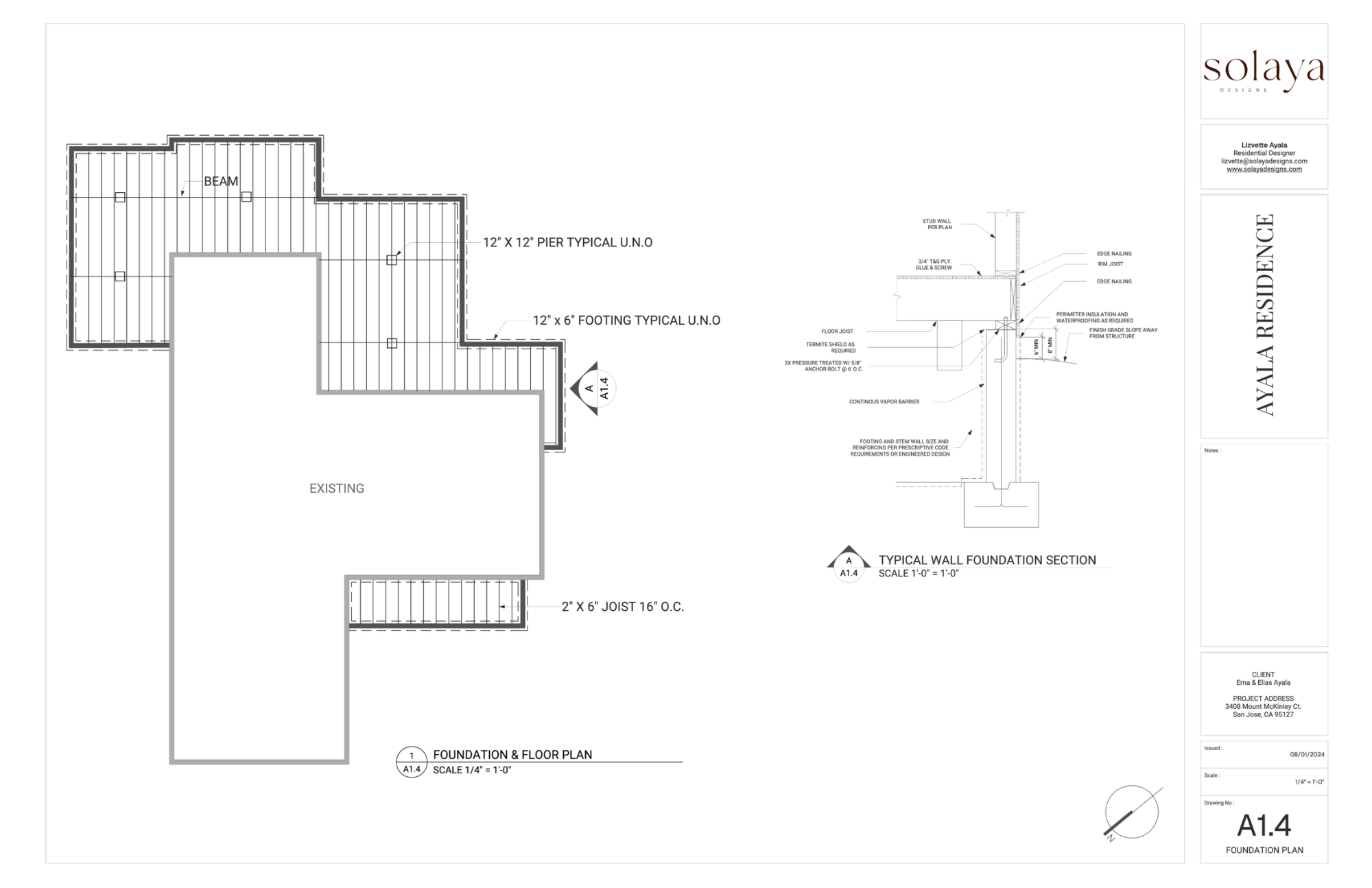
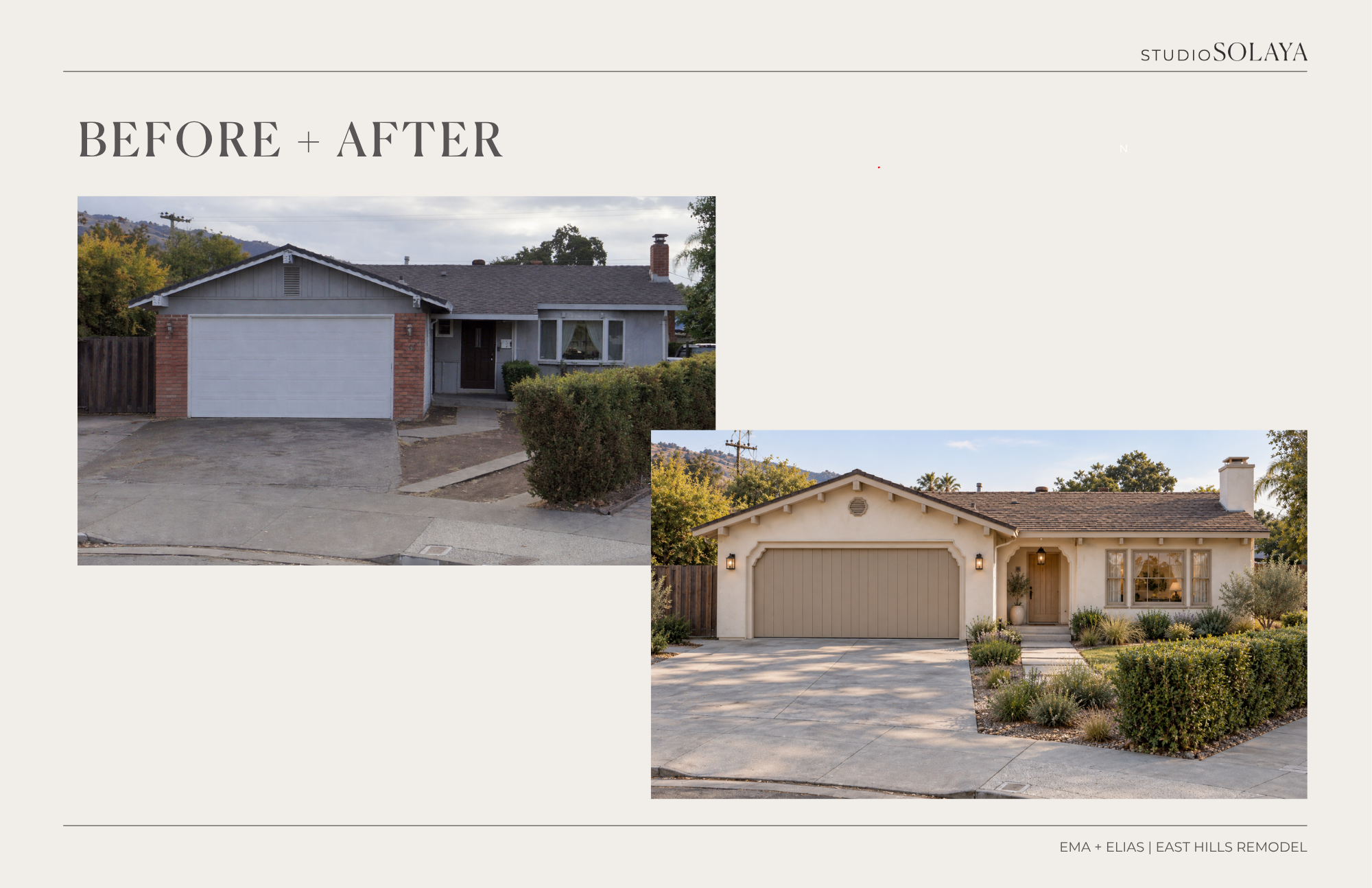
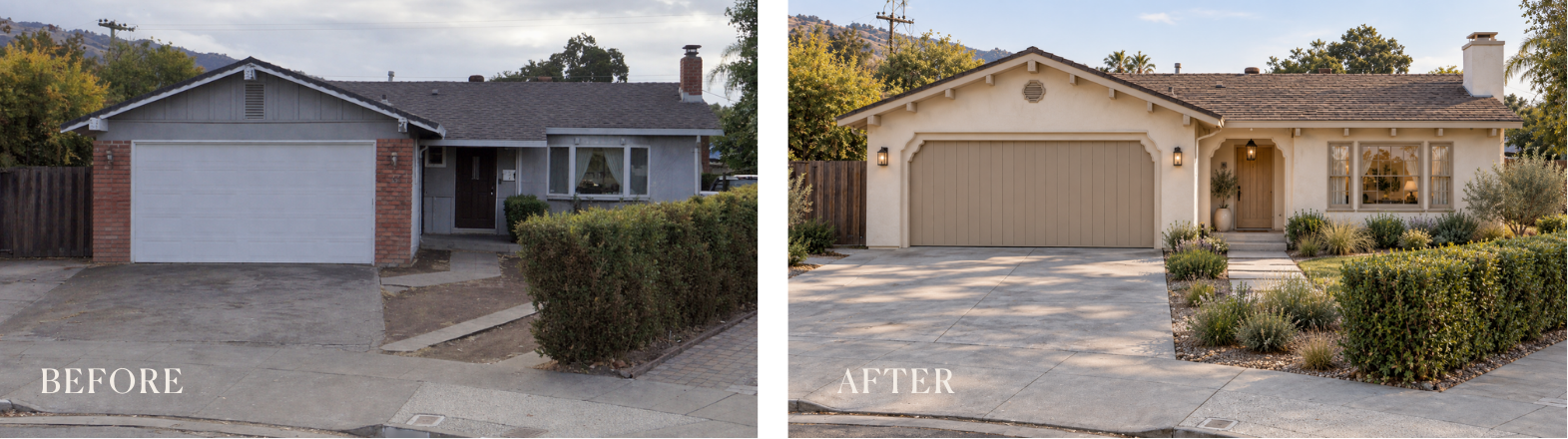
Here's what makes this real. This is the project Liz built inside the Academy, taken all the way from the site to construction documents. Remember, she walked in with no formal design training. A few focused months later, she designed the whole thing, floor plan, elevations, and the roof studies she was so proud of working through.

Watch Liz tell it herself
Ready to talk about your own situation?
If any of this feels like you, the next step isn't another year of quietly thinking about it, it's just a conversation, with no pressure at all. Book a call with our team and we'll sit down together and talk honestly about where you are, what you want, and whether this is the right path for you. Whatever you decide, I want you leaving with more clarity and a little more belief in yourself than you came in with.
Frequently asked questions
Is the Home Design Academy worth it? For someone who wants to actually design homes, yes. Students like Liz weighed traditional design programs costing tens of thousands of dollars over several years, and chose this instead because it delivers the real skill, from site to construction documents, in a fraction of the time and cost, with live guidance the whole way.
Do I need a design degree or background to do this? No. Liz came from engineering with no formal design training. What matters is the willingness to learn a real process and put in the reps, not a diploma. More on that in do I need a degree to become a residential designer.
Can I do this while working a full-time job? Yes. Liz did the whole thing while working a demanding engineering job, then built her transition plan on her own timeline. You don't have to quit anything to start. Here's the honest career-change roadmap: is it too late to become a residential designer.
How soon can I actually take on clients? Sooner than you'd think. Liz was running design consultations and sending a proposal before she'd even finished the program, using a portfolio built from her own project work.
Why I built the Home Design Academy
I didn't build the Academy just to run a course, I built it because I kept watching the same thing happen everywhere I looked. Neighborhoods were filling up with homes that had no soul, boxy and generic and forgettable, thrown up fast by people who were never really taught to see a home as a whole. And at the same time, I kept meeting people who genuinely loved homes and had real taste, but no way into this work, because the industry gatekeeps it and no school actually teaches residential design well.
That gap is really the whole reason I do this, because there just aren't enough of us out there yet who know how to give people homes and places that make them feel something, and I didn't want to keep doing it alone. Every designer like Liz is one more person putting soul back into the built environment, and one more home that someone will actually love to live in, which is everything I hoped this would become.
Rafi Inez is a residential home designer based in Miami. She runs her own design firm and founded the Home Design Academy, an intensive 16-week residential design program. She holds two architecture degrees and is completing her architecture licensure. Raised on Florida's 30A among the new urbanist communities of Seaside and Alys Beach, she built an audience of 100,000+ by sharing real projects, and teaches designers to create homes with a genuine sense of place.