The floor plans came easy, but the outside, not so much.
If you can lay out a floor plan just fine but making a home actually beautiful from the outside feels impossible, I want you to meet Jeff. Because that was his exact wall, and watching him get past it is one of my favorite things from this program.
Jeff has spent more than twenty years as a firefighter for the Long Beach Fire Department, out in Orange County. Homes are in his blood, his father was a contractor and his mother did interior decorating, so architecture and design were always around him. Last year he took the leap and started his own architectural design business, designing homes, ADUs, and remodels. He came to the Academy for two specific things: a better approach to designing, and a real system to run the business.
He'd taught himself the software and could handle floor plans, he's good with spatial relationships. But two things stopped him. He had no repeatable process to take a client from their first idea all the way to a finished design, and the exteriors defeated him. Everywhere he looked, homes were boxy and bland and all the same, and he couldn't figure out how people made the beautiful ones. As he put it, we all know the feeling a truly beautiful home gives you just by looking at it. He wanted to create that, and didn't know how.
Let me walk you through his whole journey in the program, from where he started to where he is now, because I have a feeling you'll recognize yourself somewhere in it.
Where Jeff started
When Jeff came in, he had real construction knowledge and could talk structure with confidence, but he had no design process, and the outside of the house was a mystery. Before the program he was designing multiple whole houses at once just to show a client options, burning enormous time and still not landing on beautiful. His capstone in the Academy was a genuinely tough one, a tight California lot with an existing back house he wanted to keep for rental income and a front house to demolish and redesign for aging in place. He was honest about how stuck it made him feel. On an early call he called his project "very constrained" and said he was "so challenged on the concept." When I handed him massing sketches to practice, he laughed and admitted, "I know those suck, I've got to fix that," and then, "I do. Thanks for pushing me."
This is the single most common wall I see, and it is almost never a talent problem, it is just a missing process that no one has handed him yet. And if that is exactly where you find yourself right now, staring at something that feels impossibly hard, I want you to hear me gently on this. You are not behind, and you are not missing some gift that everyone else got and you didn't. You are just at the very beginning, right where Jeff was, and that is a completely okay place to be starting from.
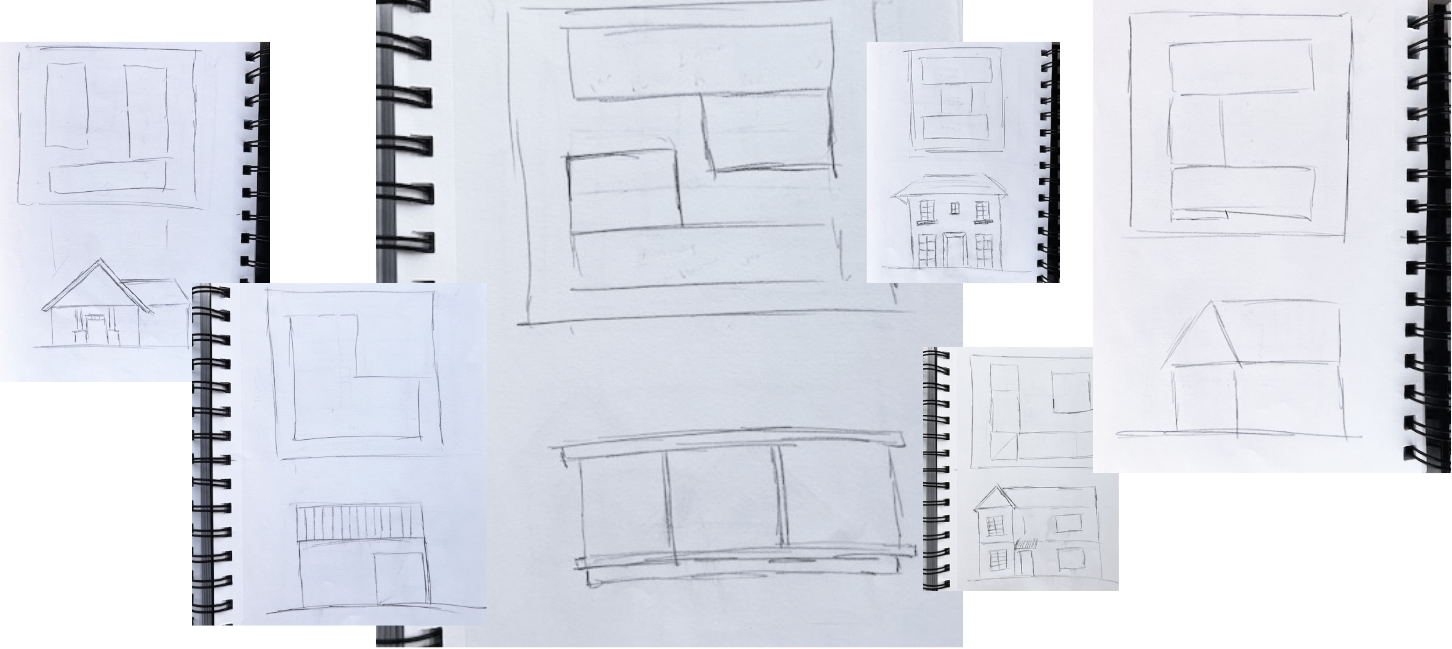
Some of Jeff's earliest massing sketches from the start of the program
The first shift: building the form before the details
The turn started when Jeff stopped trying to draw finished houses and learned to work in space blocks and massing first, shaping the big form of the home before resolving any of the details. You could hear it click on one of our calls, when he told me, "what's really clearing this up for me is how the blocks translate to the elevations. So I'm moving the blocks around, and going through everyone else's stuff here has helped me develop." He was still on a tiny site, still practicing, but he had the thread now. Instead of designing whole houses over and over, he was shaping one form he could then dress.
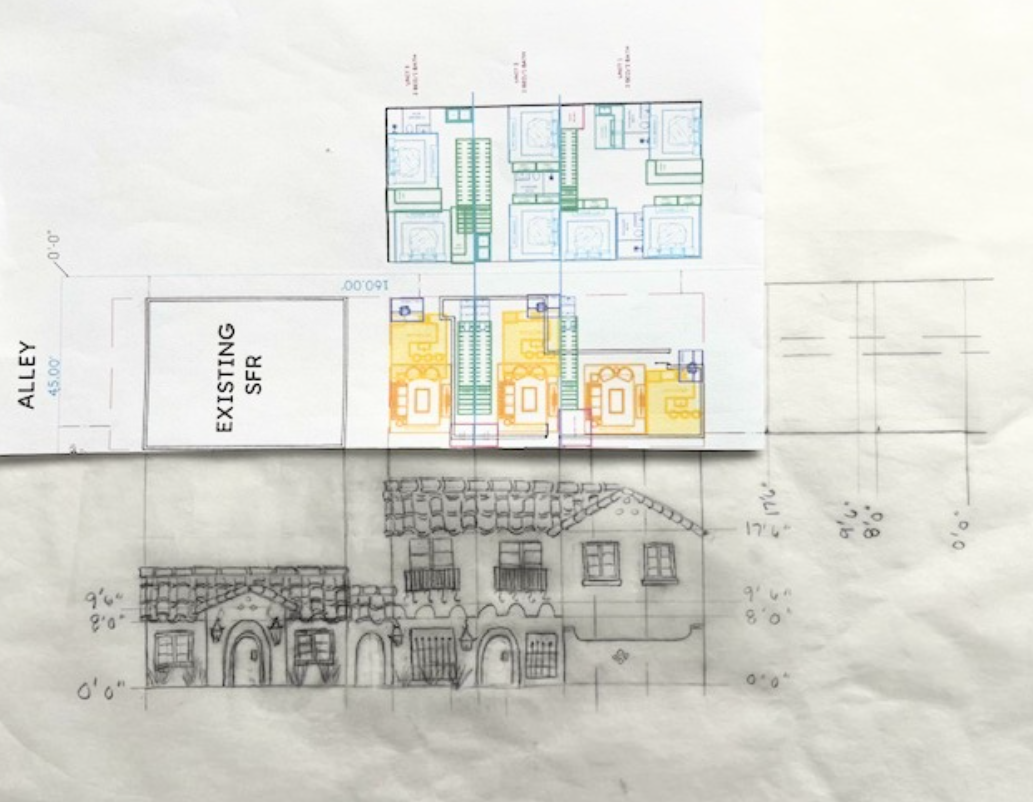
Jeff's space-block and massing study
The night it clicked: one home, three styles
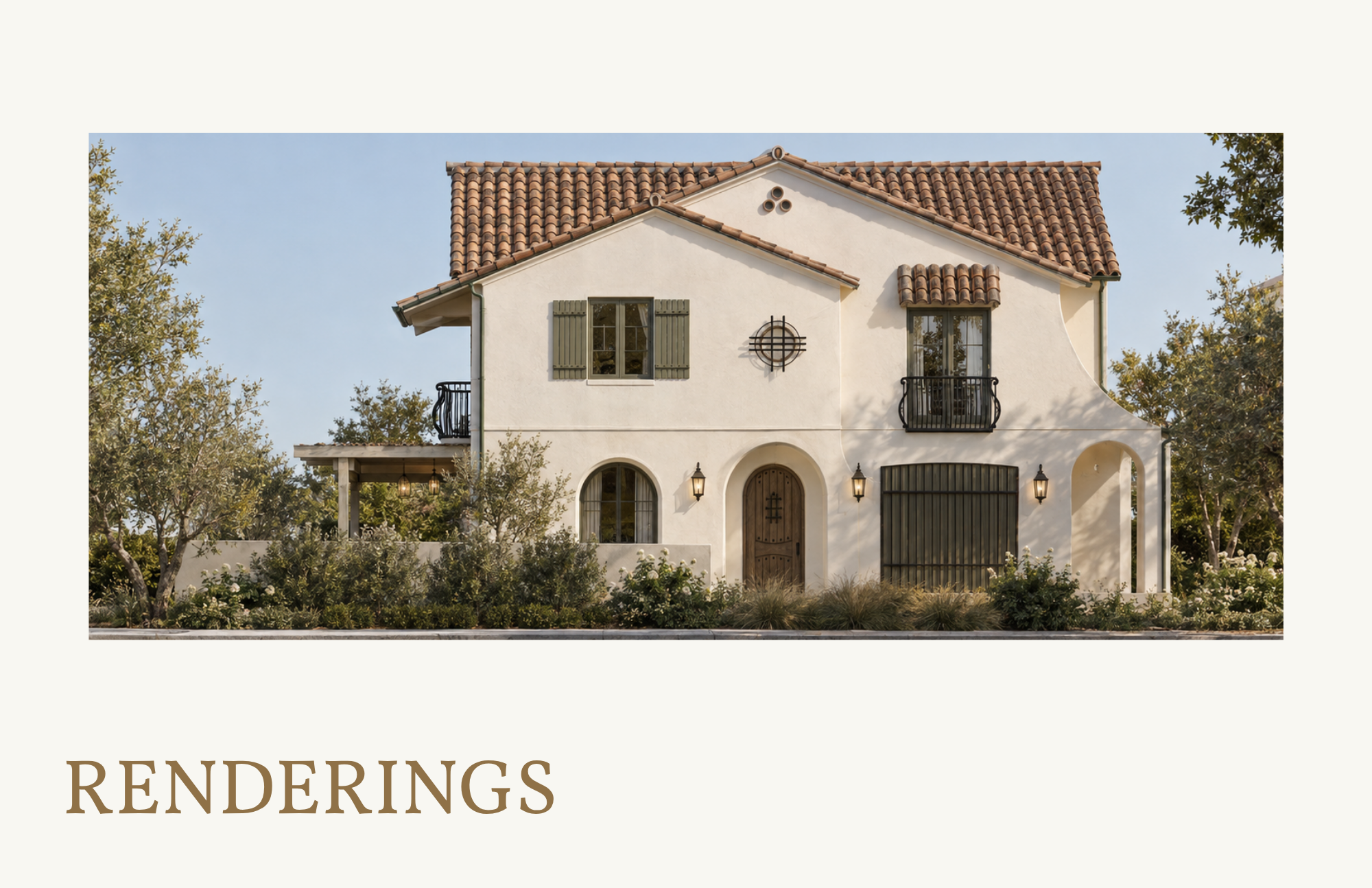
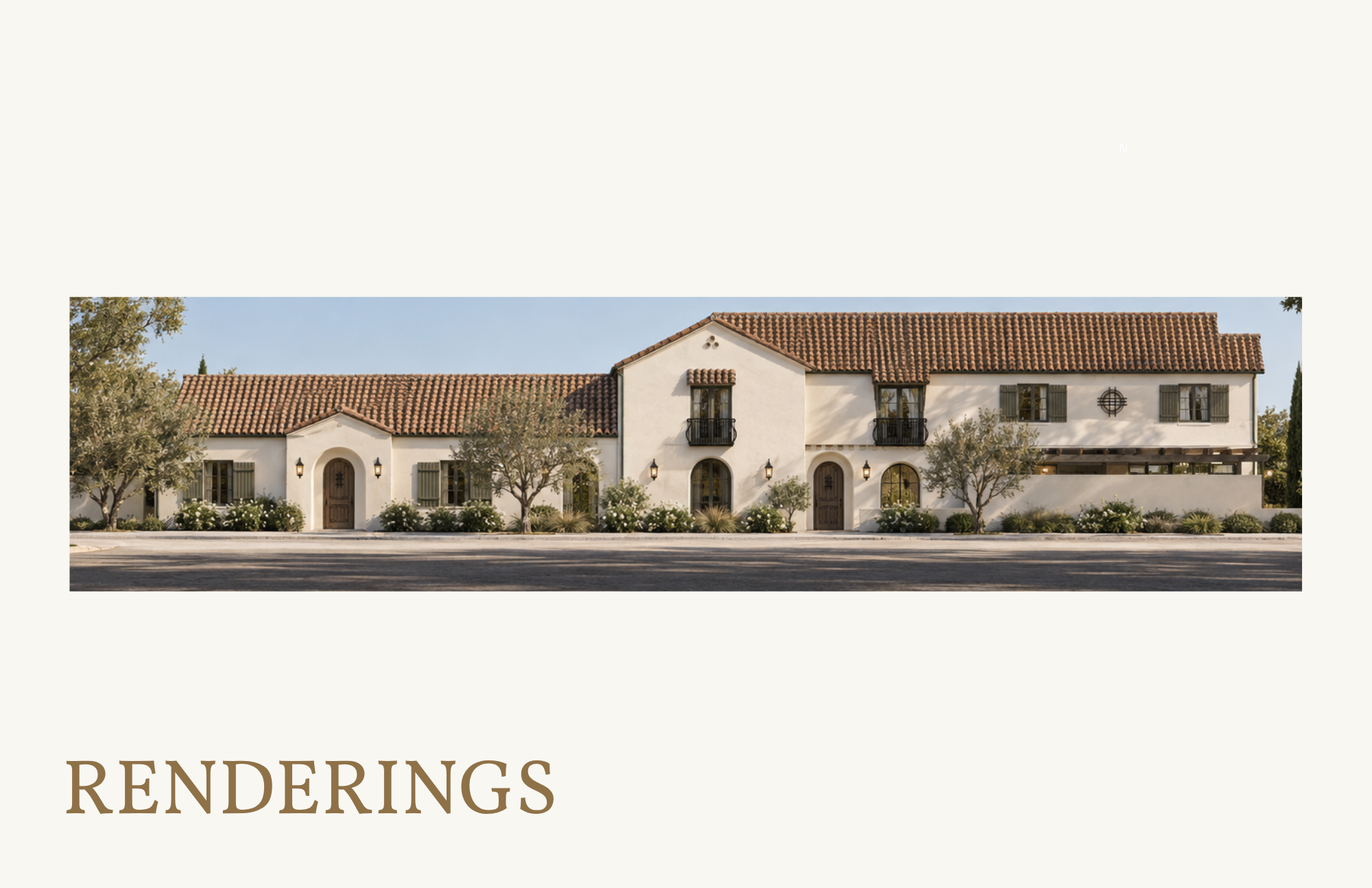
Then came the night that changed everything, and I got to watch it happen almost in real time. He came onto a call buzzing: "I did have a breakthrough last night. I was figuring out how to take my design and give it different styles, and how to bring down my registration line. Now I can give it different styles." A week later he presented the payoff, the same home rendered three completely different ways. As he said on that call, "that was me just having fun, putting a different style on it. I did a Craftsman one too." I remember telling him he'd nailed the hard part: "you did really good with the massing."
He still lights up describing it: "I never would have thought I could do that. That's when I felt, okay, cool, I have a process, a way that I can design homes."
And that is really the heart of it, because once you can hold the form steady and change only the language of the exterior, making a home beautiful stops being a matter of luck and becomes something you can actually decide on and repeat.
Where he is now: turning away work
By the end, the change was night and day. A few weeks after the breakthrough, he told the group something I loved: "because of this class, I don't even want to touch my BIM software anymore, now I know how to design in such a better way." The man who used to dread the hard parts said, "I really dreaded doing details, but then I watched the video on details, and oh my gosh, I love details now." Watching his elevations come together, all I could say was, "I'm super impressed, it looks great, good job." Even his wife took one look and said it looked good.
Now Jeff gets messages from people who've seen his designs and want to meet. On a recent call with a prospect, he confidently walked them through his entire process. He actually turns away more work than he takes right now, simply because he's busy.
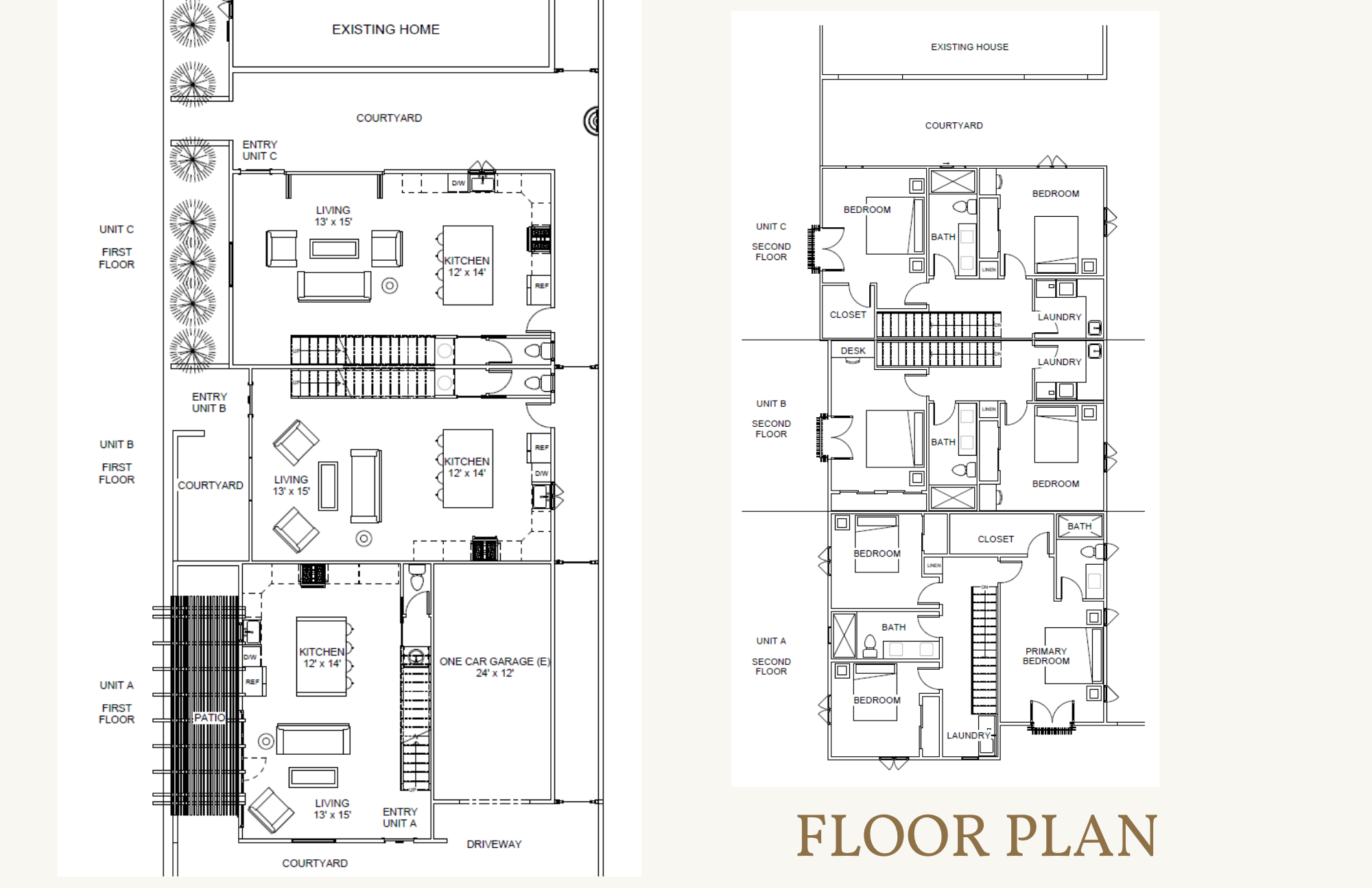
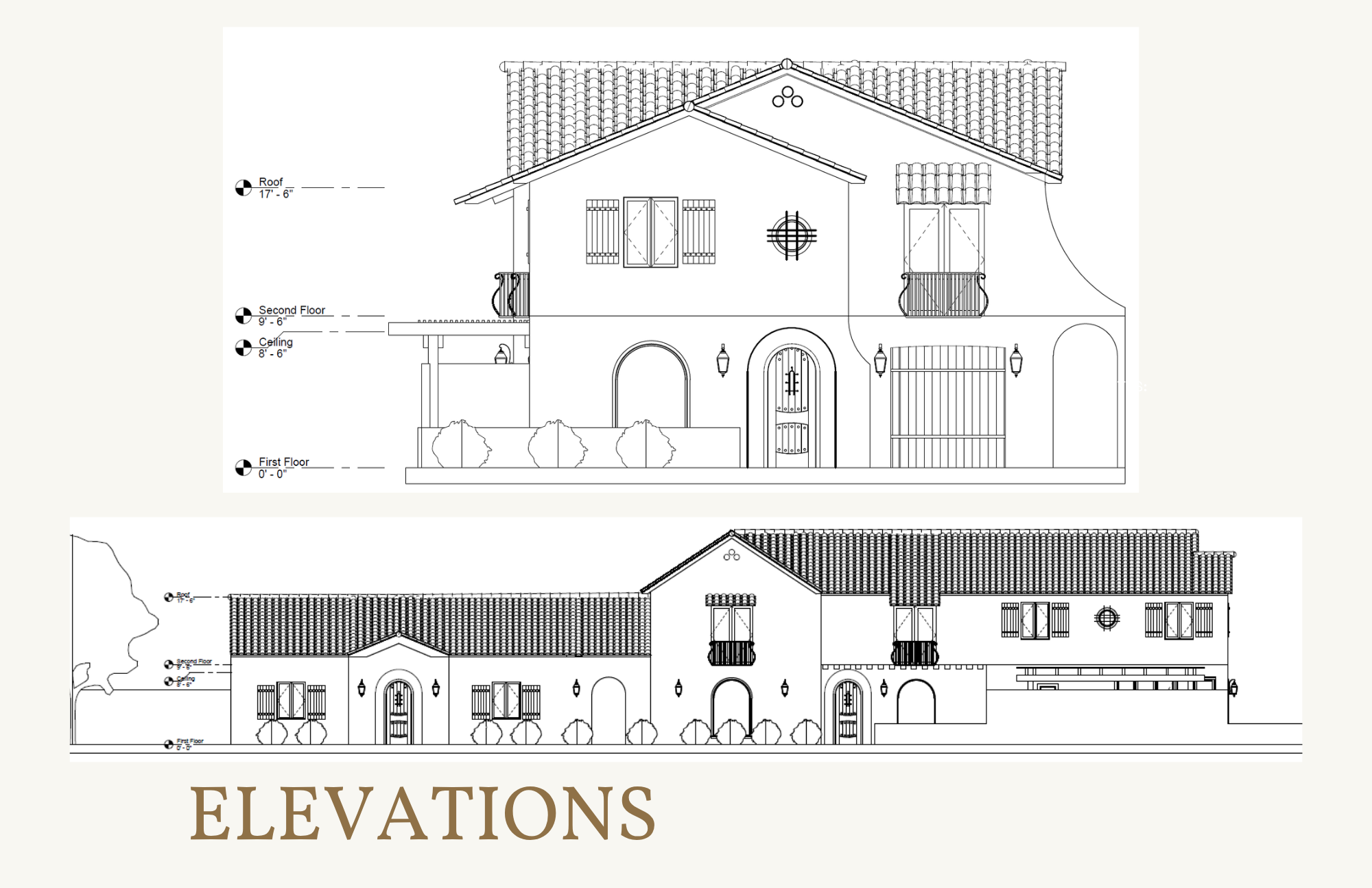
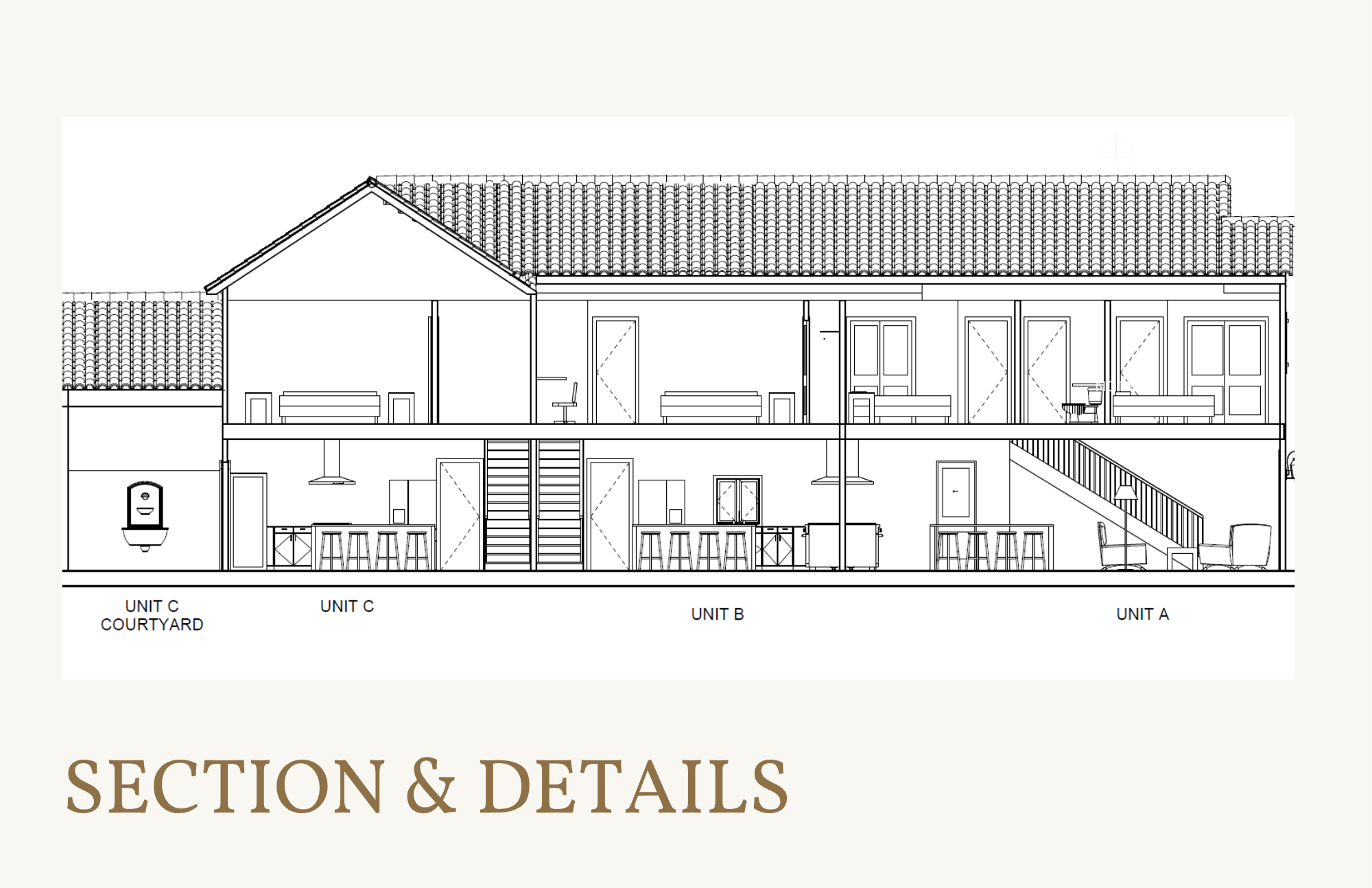
The part he didn't expect to love: the business side
Here's what surprised him. Jeff always had ideas in his head about building something, a design side and an investment side with his own multi-unit properties. The program helped him turn all of it into an actual plan. His goal now is having multiple projects moving through his pipeline at the same time, and he's even thinking about leaving the fire department earlier than he'd planned.
A second act, on his own terms
What I love about Jeff's story is that he wanted something to stay connected to as he got older, and he found work he'd happily do all day. In his words, "I would sit all day long and just look at home design, because I enjoy it, I love it so much." He's even folding in his son, who's into business, so they can build something together.
And if you met Jeff in our community, you'd understand why students root for him. He describes himself, in his own order, as a husband, father, surfer, firefighter, and home designer, and he's one of the warmest people in the room, forever cheering on classmates and saving every architect and reference I mention. "I could look at beautiful homes all day," he wrote once, and that kind of love is really what carries a person through all of it, and it happens to be the one thing I could never teach him.
That is what this can grow into for you too, not just a new skill, but a whole next chapter of your life built around something you genuinely love.
Watch Jeff tell it himself
Ready to talk about your own situation?
If Jeff's story sounds like yours, if the outside of the house is your wall, or you're quietly dreaming about a second act you'd actually love, the next step is just a conversation, and there's no pressure in it at all. Book a call with our team and we'll sit down together and talk honestly about where you are, what you're hoping for, and whether this is the right path for you. Whatever you end up deciding, I want you walking away with more clarity and a little more belief in yourself than you came in with.
Frequently asked questions
How do you learn to design house exteriors, not just floor plans? By learning to design the massing first and mesh it with the elevations, instead of forcing an exterior onto a finished floor plan. That process is exactly what unlocked it for Jeff. Here's how the whole process works: why your designs don't look like the homes you love.
Can I start a home design career later in life or after retirement? Yes. Jeff built his toward a second act after a full career as a firefighter, and the lived experience made it richer, not harder. Here's the honest roadmap: is it too late to become a residential designer.
Does the program cover the business side, not just design? Yes, and for Jeff it was almost the favorite part. It helped him shape a real plan for both a client-facing design business and his own investment properties.
Do I need to already be good at software or drawing? No. Jeff had taught himself the software but was stuck on the actual design. What changed everything was learning a repeatable design process, not more software skill.
Why I built the Home Design Academy
I didn't build the Academy just to run a course, I built it because I kept watching the same thing happen everywhere I looked. Neighborhoods everywhere were filling up with homes that had no soul, boxy and generic and forgettable, thrown up fast by people who were never really taught to see a home as a whole. And at the same time, I kept meeting people who genuinely loved homes and had real taste, but no way into this work, because the industry gatekeeps it and no school actually teaches residential design well.
That gap is really the whole reason I do this, because there just aren't enough of us out there yet who know how to give people homes and places that make them feel something, and I didn't want to keep doing it alone. Every designer like Jeff is one more person putting soul back into the built environment, and one more home that someone will actually love to live in, which is everything I hoped this would become.
Rafi Inez is a residential home designer based in Miami. She runs her own design firm and founded the Home Design Academy, an intensive 16-week residential design program. She holds two architecture degrees and is completing her architecture licensure. Raised on Florida's 30A among the new urbanist communities of Seaside and Alys Beach, she built an audience of 100,000+ by sharing real projects, and teaches designers to create homes with a genuine sense of place.