The short answer
People hire a residential designer when they can already see their own project in the work that designer shares. If the kind of home you want to design isn't in your body of work yet, you design it anyway: you choose a real site with real constraints, you approach it as if a client had hired you, and you share your thinking the whole way through. That one positioning project is what starts bringing the real ones in, and it's exactly how I went from daydreaming about island homes in August to designing two of them by October.
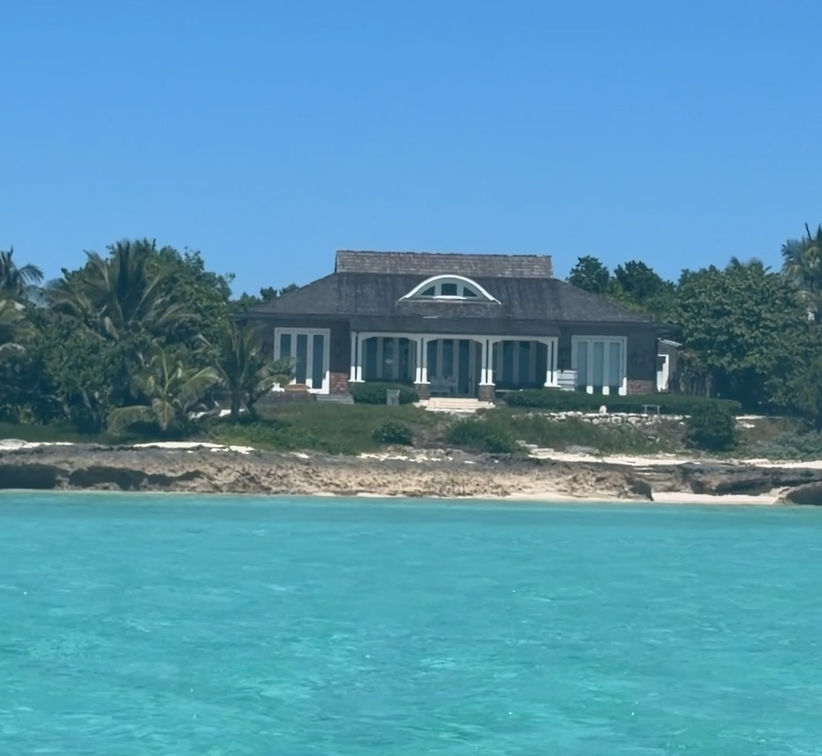
One of the homes I couldn’t stop looking at in Baker’s Bay. It’s very zoomed in, because at this price point you don’t pull right up to the house.
The photo I took on August 11th
This summer I went on a trip to the Bahamas, and somewhere on that trip I realized I wanted to be designing homes there. I took the photo above on August 11th, and at that moment I did not have a single project anywhere in the islands.
Two months later I'm designing a waterfront home and carriage house in the Bahamas, on one of the most incredible lots I've ever worked on. In about two years, when it's built, there's going to be a really nice boat at the water's edge and a family having the best time of their lives on that property. I'm also designing a second project on another island that I'm not allowed to talk about yet, so you'll have to trust me on that one for now.
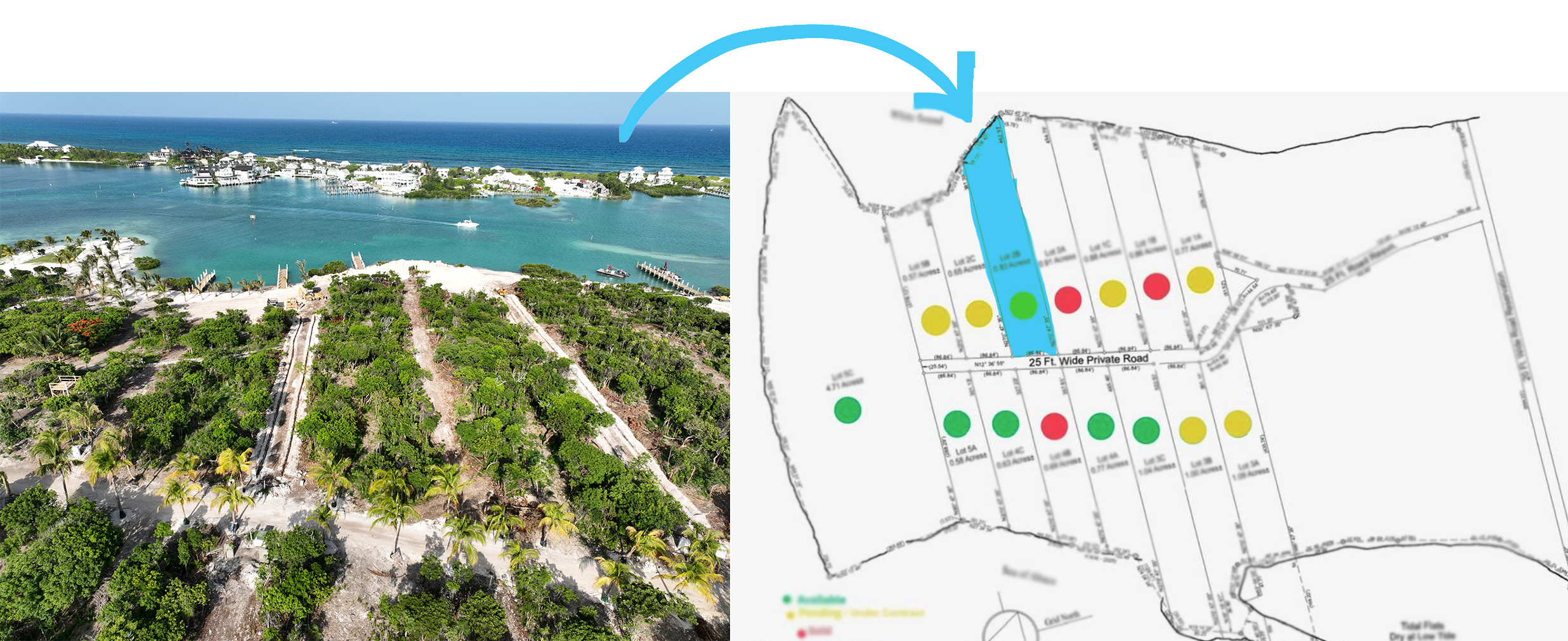
The waterfront lot where I’m designing a home and carriage house.
A lot of people would call that speaking it into existence, and I'll give that idea a little credit, because you do have to know what you want before you can go get it. Saying it out loud isn't what gets you hired, though, and what actually does is much more practical, so I want to walk you through what I actually did so you can do it too.
Clients need to see their project in your work before they'll hire you
People only want to work with you when they can already see that you do what they need. When someone is about to spend real money on a home, they're looking through the work you share and quietly asking whether their house could live there. If they're building on the water, they want to see that you understand water. If they're renovating a historic home, they want to see that you respect history and know how to work inside a set of guidelines.
I don't love the word portfolio, because it makes people think of a polished binder that sits on a shelf. What I mean is everything you put out into the world: the projects you post, the sketches you share, the thinking you show. A future client has to be able to picture their project already sitting in that body of work, and if they can't, they keep scrolling until they find someone where they can.
Show the work you want as work you're already doing
That brings me to the second piece, which is that the work you want to be doing in the future has to show up as work you're already doing now, and the good news is that those projects don't have to be commissioned by a client.
In January of this year I decided to pivot a little. I'd been living in Miami for six years, and I'm obsessed with Miami's historic architecture, but I didn't have a single historically based project here that I loved. I'd done renovations and other work, just nothing that looked like what I actually wanted to be known for. If you feel like none of your projects are a reflection of what you actually want to be designing, I understand that feeling completely.
So I decided to give myself the kind of project I wanted instead of waiting for a client to bring one to me.
How I chose my Miami Shores project
I found a house for sale in Miami Shores, a historic neighborhood with real design guidelines and a real character to protect. I chose it because it could absolutely be a real project. Someone could buy that house tomorrow because they want to live in a beautiful neighborhood, and the very next thing they'd need is someone to redesign it thoughtfully within those rules.
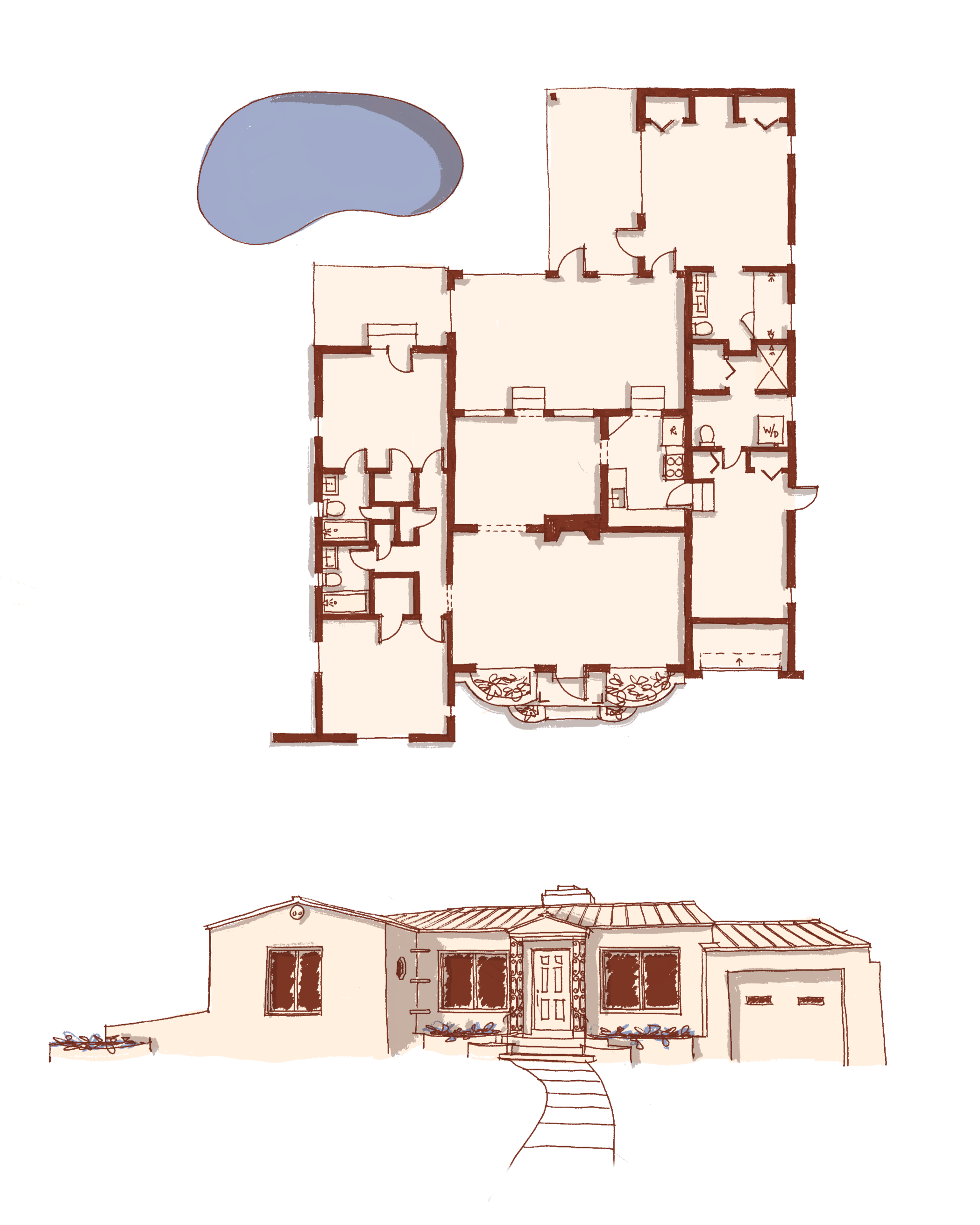
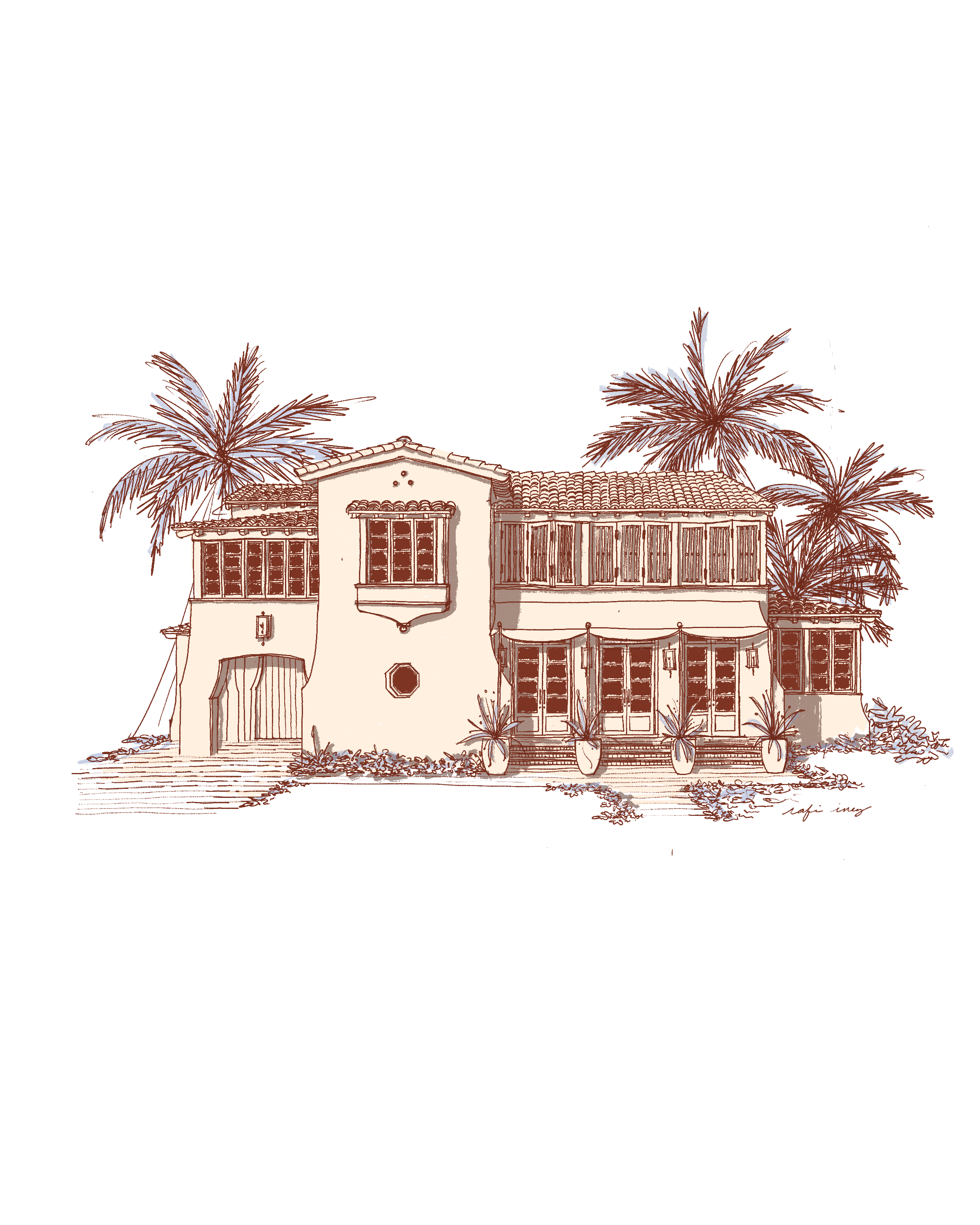
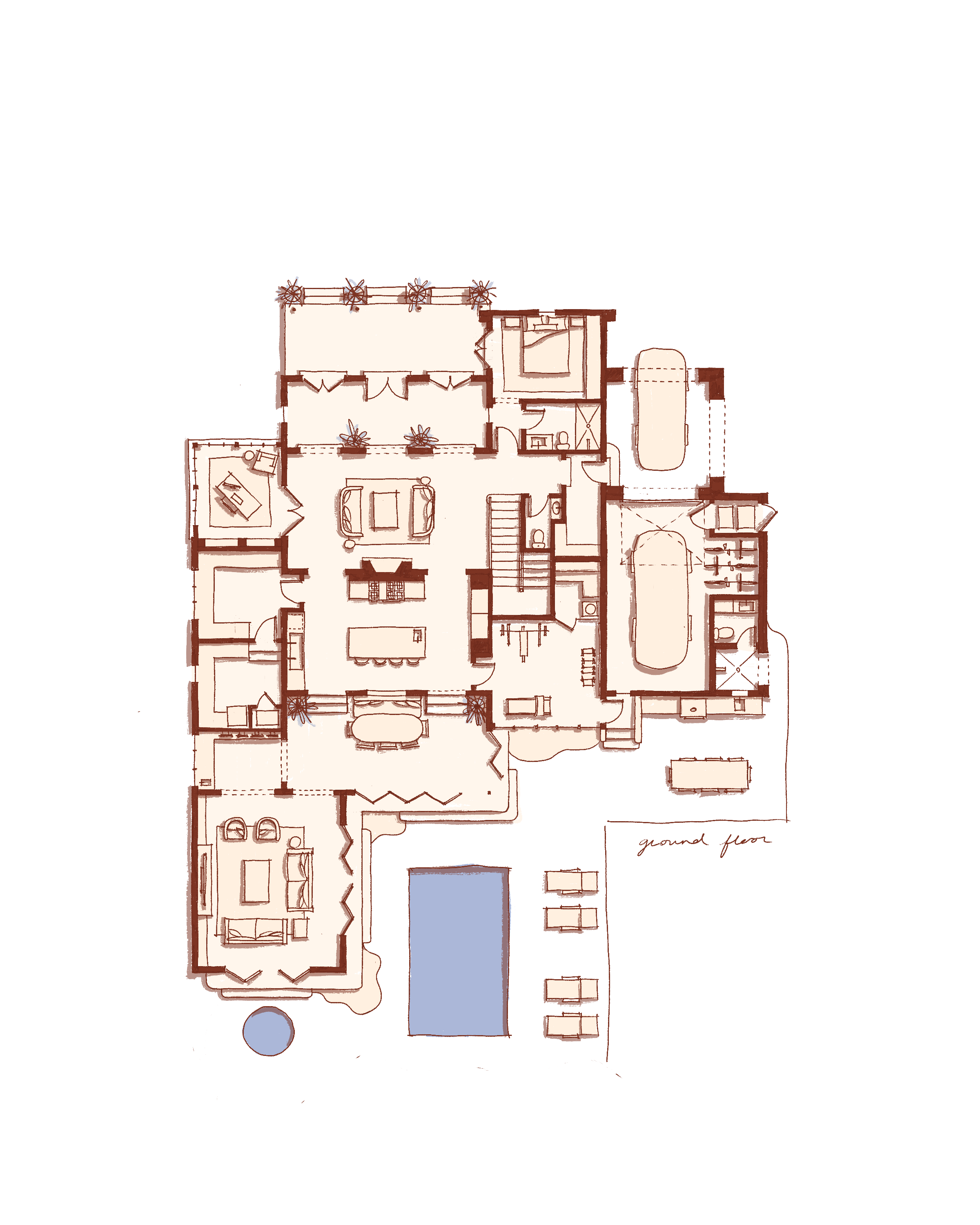
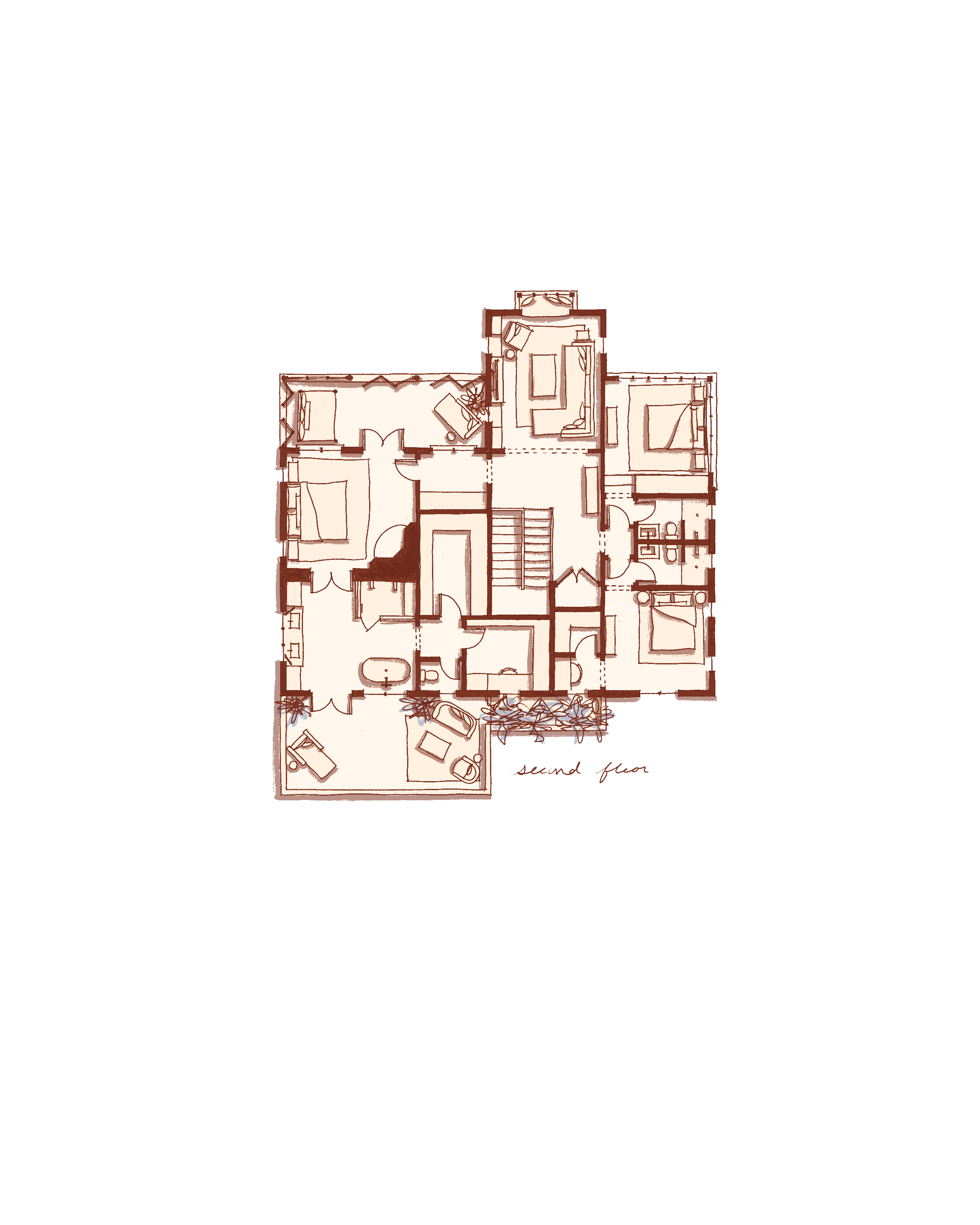
That's what you want to look for in a positioning project. It should be believable down to the details, with an actual site, actual neighborhood guidelines, actual setbacks, and the same constraints a paying client would hand you. Working within real constraints pushes you to think the way you would for a client, and that thinking is exactly what someone looking at your work is hoping to see, whether or not anyone paid you for the project.
Why a project doesn't have to be built to count
I want to share something that surprises most people outside the industry. I'd estimate around 40% of the projects clients have paid me to design have never been built. Building a home costs a lot of money, the economy shifts, and people's priorities change along the way. Ask any architect or residential designer how many projects they've been paid to design that never made it into the ground, and you'll hear the same thing.
So think about your positioning project in that same light. It needs a real site, it needs to feel real, and it needs to be thought through as carefully as anything a client would pay for. The main difference is that nobody has signed a contract yet, and since so many signed projects never get built either, that difference matters a lot less than most people assume.
Share your thinking, because the final image isn't what sells you
This might be the most important piece of all, because people on social media don't care much about a beautiful final rendering if they can't see the thinking that got you there. What makes them buy into you is seeing that you paid attention to the neighborhood, that you worked within the constraints instead of ignoring them, that you thought about how light moves through the house, and that you understand how it's actually going to be built.
So share the process as you go. Post the early sketches, talk about the guideline that forced you to rethink the roofline, explain why you placed the porch where you did. Showing that kind of thinking is what helps someone who has never met you start to trust you with their home.
Thinking like a residential designer is a skill you can learn, and my free course is the best place to start. It walks you through why designing homes doesn't require another degree and what the work looks like once you're doing it professionally. Watch the free course here.
What happened after I posted it
In January I started sharing the Miami Shores redesign on social media as my design for that house, process and all. A few weeks later I was hired for a project in Miami Beach. That project ended up never being built, which, as you now know, is very normal, but it never would have come to me without the Miami Shores project showing people what I could do.
After that I kept going, and whenever I had time, I designed and shared the kind of projects I wanted to be doing next. Today, I'm being paid to design two homes in the Caribbean, which is exactly where I told myself in August I wanted to be. One of them came from someone who found my work on Instagram and reached out, and the other came through a friend who had seen what I could do.
How to start your own positioning project
If you want to do this yourself, these are the steps I followed with the Miami Shores project and then again for the island work.
1. Decide on the work you want to be hired for
This should be the most time-intensive step of the whole thing, because everything else depends on it. You want to think about style and location, but also about the clients. Do you want to be designing large vacation estates, or smaller cottages that are more of a passion project? Once you have a feel for that, step back and look at the business side of it, meaning how much you want to be making and how involved you want to be in each project. Historic renovations are lucrative, but let me tell you, they’re also extremely demanding. Or you can go the route of working with builders and developers, where you don’t need to be as involved, but the end result might not be exactly what you wanted. Whatever it is, you want a very clear vision of the work you want to be hired for: how it looks, the people you want to work with, how much time you want to devote to each project, and how many projects you want to take on in a year.
2. Find a real site
Find a listing for a lot or a house for sale in the area you want to be working in. The listing isn’t going to give you everything, so go into your county’s GIS, which is their online property map, and pull the rough dimensions of the lot and photos of what’s around it. If it’s somewhere you can drive to, go walk by it and really get a feel for what you’re designing for, because you want to treat this as if it’s 100% real.
3. Research the real constraints
Once you have your site, look up the zoning for that address on your city or county website, because that’s what tells you how far the house has to sit from the property lines, how tall it can be, and how much of the lot it can cover. From there, check whether it’s in a flood zone, whether there are historic or HOA guidelines, and how the homes around it are actually built.
4. Design a full project
And when I say full, I mean everything, from the site plan to the roof plan, and even potentially a wall section, which is the drawing that shows how the wall actually gets built. I want you to go through the act of fully designing the type of house you want to be known for. That way, when your ideal client comes along, you can walk in with confidence, because this isn’t your first time. You’ve worked out the kinks, you’ve figured out all the weird little nuances of the details, and you understand it.
5. Share your process as you go
Beyond deciding what kind of project you want to be designing, this is probably the most important part, because if you don’t share your process, no one is going to be able to find you. And the thing is, we’re living in a world of instant gratification, so people don’t just want to see the finished house. They fall in love with the story and the process, meaning how you think, the decisions you’ve made, the compromises you’ve had to make, and the opinions you have. That’s the part you need to be sharing, and it really doesn’t matter whether you can create a rendering or not. I know it doesn’t always feel comfortable, but push yourself to do it anyway, because whether you like it or not, people are only going to know what you’re capable of if you show them.
6. Keep going
If work doesn’t come quickly, keep going, because I can almost guarantee it will if you’re sharing your process and your project actually stands on its own as a good design. And once that project starts bringing in conversations, don’t stop there. Pick the next type of home you want to design and do it all again. These projects are your chance to release yourself from the constraints of the clients you have now, like their budgets, their tastes, and their timelines, and really push yourself. That’s how you’re going to grow quickly, and in a way that you love.
You're always allowed to change direction
Whatever kind of work you have today, you can always pivot and reposition yourself. You just have to do it through the project you want to be hired for, designed with care and shared openly, rather than waiting for someone to hand you permission. I wish someone had sat me down and told me this ten years ago when I was just getting started, so consider this me telling you now, and I can't wait to see what you choose to design first.
Ready to take the first step? Watch my free course, How to Start Designing Homes Professionally Without Going Back to School. It's the training I wish I'd had when I was starting out, and it will give you a clear picture of how to begin before you choose your first site.
Ready to go further? If you want to design your first full positioning project with my eyes on it every step of the way, apply to the Home Design Academy.
Frequently asked questions
Is it dishonest to share a project that no client hired me for?
Not when you present it for what it is, which is your design for a real house on a real site. You aren't claiming a client paid for it or that it's been built. You're showing how you think and what you're capable of, and that's exactly what a future client needs to see before they hire you.
Do I need professional renderings for a positioning project to work?
You don't, because your process matters more than a polished final image. Sketches, plans, notes on the constraints, and the reasoning behind your decisions are what make people trust you, and a rendering without that thinking rarely brings anyone in.
How long does it take for a positioning project to bring in real clients?
It varies, and I can't promise a timeline. For me, the Miami Shores project led to a paid project in Miami Beach within a few weeks, and continuing to share the work I wanted led to two Caribbean projects later in the year. Consistency matters more than any single post, but make sure you’re actually posting, because after all the avenues I’ve tried, social media is the best way to grow your design studio.
What if I don't have any paid projects yet?
In that case this approach matters even more, since a self-initiated project on a real site with real constraints is one of the best ways for a new residential designer to show what they can do before anyone has hired them.
Can I reposition if I'm already known for a different kind of work?
You can, and I did exactly that in January, moving from renovations I wasn't excited about toward the historic Miami work I loved, and then toward island homes. Every new positioning project shifts how people see you.
Rafi Inez is a residential home designer based in Miami. She runs her own design firm and founded the Home Design Academy, an intensive 16-week residential design program. She holds a professional degree in architecture and is completing her architecture licensure. Raised on Florida's 30A among the new urbanist communities of Seaside and Alys Beach, she built an audience of 100,000+ by sharing real projects, and teaches designers to create homes with a genuine sense of place.